Posts

Island Hopping Yacht Cruise – Mozambique

If the thought of gorgeous beaches, a calming boat cruise and exploring beautiful islands sounds good to you, this is the article for you. Mozambique is a beautiful coastal African country, perfect for a vacation. Here is an account of my personal journey island hopping in Mozambique.
Day 0 – Packing day

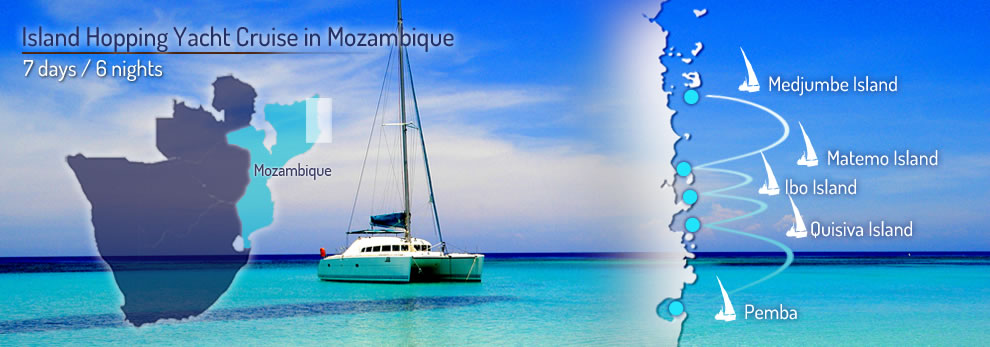
I am excited. I believe packing is one of the greatest parts of a trip. While packing swimsuits, sun screen and light dresses, I cannot stop dreaming about my upcoming experience, and I am deeply convinced this trip will go beyond my expectations. We should arrive in Pemba tomorrow afternoon, after a 3-hour flight from Johannesburg. Then, we’ll start on the yacht cruise. By the end of the day, we will land in Ibo Island. I googled the place, it looks like heaven.

Day 1

Packing day. I am writing right now from Ibo Island. I flew today from Johannesburg to Pemba, and then took a charter flight from Pemba to Ibo. I have never seen such beauty. From the sky, the shading of turquoise, melting with the white sand almost looked unreal. After landing, we arrived at the yacht and received a safety briefing. In ten minutes we will set sail north for the Southern Island. I am looking forward to my first sunset dinner in the middle of the Indian Ocean.

Day 2

It was an early wake up this morning. After a light snack, we dived for the first time in our trip. Breathtaking. In the middle of the ocean, floating around hundreds of colourful fishes I spotted so many underwater treasures. After breakfast, we headed to Quilalea region, where we will be anchored tonight. On the way we stopped on Quisiva Island and explored its incredible old fort.

Day 3

I was so excited about the activities, I did not even mention our crew. Fantastic. All very kind and helpful, and they know everything about the island. As promised, the food is excellent, the chef cooked succulent fresh crayfish yesterday, paired with a delicious white wine. The dinner was on the deck with an exceptional view over the sea, lit by the moon. I have never felt luckier in my all life. Right now, it is 5am. Romain and I woke up to see the sun rising in the middle of the ocean. I might get back to sleep a little bit more. After breakfast we will head back to Ibo Island to discover its treasures. We also want to enjoy the mangrove kayaking activity.

Day 4

Yesterday we enjoyed Ibo Island, we went Mangrove kayaking, swam in the crystal-clear water and took a historical tour. We could even enjoy the pool facilities at the Ibo Lodge. It felt good to spend a day on land before getting back to our splendid yacht. This morning we sailed to Matemo and Rolas Islands. After a morning dive, Romain decided to try fishing, and I just sunbathed. This afternoon we wandered around Matemo Island and enjoyed some cocktails by the pool at the Matemo Island Resort.

Day 5

We sailed north to Medjumbe Island. How can such a small island have so many underwater gems? Diving was breathtaking, between the colours, the underwater plants and all of the species we met, I was amazed. After diving, we rested on the sandy beach and practiced our balancing skills by standing up and paddling around. Today was more about sunbathing and resting in the ocean.

Day 6

We went diving again today, looking for turtles. I think swimming with turtles is one of the most peaceful things I have ever done. They are such gracious animals, and the ride was smooth and thrilling. No words could describe it. I cannot believe tomorrow is our last day.
Day 7

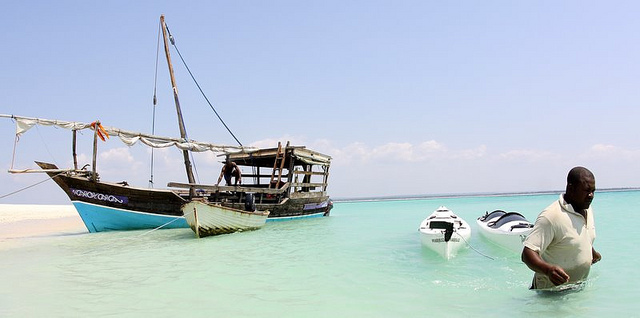
We fell asleep near Matemo Island and woke up this morning right next to Pemba. I guess it makes the departure easier, not seeing a part of the way back. I did not write yesterday, I wanted to enjoy my last day as much as I could. We spent the day on Matemo Island and enjoyed our last diving experience in Mozambique. Those holidays were the best idea we have ever had.

So there you have it! I hope my 7-day excursion has inspired you for your next holiday destination.
By Orianne Gambino

Top 7 things to do in Mozambique

Diving, dhow cruises, deserted islands, snorkelling and sunset cruises; Mozambique is a tropical paradise waiting to be explored. Here’s a few ideas of what to do when you visit…

1. Discover the Bazaruto Archipelago

As a group of five islands in the Mozambique Canal, the archipelago is protected as part of the national park. Created in 1971, it includes the coral reefs surrounding the islands, making it the only protected marine area in Mozambique. The park is one of the largest in the Indian Ocean.

The major attractions are dolphins, humpback whales, and dugongs which are the last population of the African coast. And there are, of course, hundreds of colourful fish. Inland you can meet monkeys, antelopes, otters, pelicans, and flamingos. In the lakes of the two main islands (Bazaruto and Benguerra), you can see crocodiles as well. For lovers of beaches, the proposed activities are diving and fishing. For those who are more into hiking or horse riding, this is the place to visit.

2. Visit Maputo

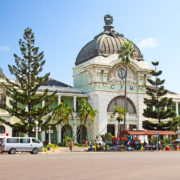
Located in the extreme south of Mozambique, Maputo is the capital of the country. Known for its colourful markets and a thriving nightlife, this harbour city was founded by the Portuguese and became a diverse and vibrant metropolis. On the list of the places to visit in Maputo include Baixa (port and market), the Tunduru Botanical Gardens, the Eiffel House, Notre Dame Cathedral of the Concession or the National Museum of Arts.

From the culinary point of view, we recommend you taste local seafood, especially the prawns with a peri-peri sauce which are the specialty of the region. When the prawn tasting is over, move to the vibrant nightlife area of Fere Popolare, and enjoy the local beer in one of the bars or nightclubs.

Photo Credit: Rosino

3. Explore Inhaca Island

This little peaceful land is reputed as a home of the rarest fauna and flora species of the world. It’s only a few minutes by boat from Maputo. If you dream about sumptuous, deserted beaches, and you wish to lose yourself in a tropical environment, swim with sea turtles in mild and crystal-clear water, do not forget to have a stop on Inhaca island for few days. Here coral reefs and exotic marine species live in harmony.

The island has only a few hundred inhabitants who are entirely involved in the preservation of the island’s wilderness and biodiversity. Remember that at low tide you can easily walk to the Portuguese island which is a rise of white sandy beaches surrounded by azure blue seas.

4. Dhow Cruise in the Quirimbas Archipelago

This wonderful journey will offer a breathtaking landscape waiting for you to be discovered. Jump aboard a traditional sailing boat locally called a “Dhow” and navigate peacefully with the wind in the Quirimbas Archipelago. The Quirimbas Archipelago is made up of 27 coral islands that are strung along the northern coast of Mozambique. You will discover secluded and privileged places in the north of the country: river mouths, pristine mangrove forests and rare species of birds and the marine biodiversity.

Photo Credit: Wayfaring Sinh

5. Diving with Whale Sharks

Considered as the “official” capital of diving, Tofo is one of the hot spots in Mozambique. You feel the diving culture everywhere in the city. The beach is beautiful. However, the coral reef is less spectacular then in other regions of the country. The presence of manta rays, whale sharks and humpback whales in the season are a real compensation. There is nothing like swimming with a whale shark, the largest fish in the world! You can find humpback whales throughout the year in the popular diving resorts of Ponta do Ouro and Ponta Malongane, but the best time to observe them is during the summer. As for manta rays, they occur in Tofo Bay the whole year.

6. Take a Break at the Polana Serena Hotel

When you are at the very heart of Maputo, on one of the most prestigious avenues of the city, take a break at the magnificent Polona Serena Hotel. The historical building has a classic charm, elegance and was built in a colonial style. Take the time to enjoy an afternoon tea here, even if you do not stay overnight. Taste teas, savour pastries or the delicious short eats in a relaxing and quiet atmosphere of the Polona Bar or on its outside terrace overlooking the pool. You can also relax in the hotel spa, which offers a wide range of massage treatments such as steam, sauna and more. This is exactly what you need after a long day of diving or sightseeing.

Photo Credit: Serena Hotels

7. Cultural visit of the Island of Mozambique

This island was part of the Old Portuguese trading route on the road to India, and was fortified by the Portuguese. Today you can observe the remarkable architectural unity of the fort due to the technique, materials (stone or macuti) and decorative elements used, which have remained the same since the 16th century.

The Island of Mozambique was declared a world heritage site by UNESCO (The United Nations Educational, Scientific and Cultural Organization) in the early 90s. In addition to the beautiful beaches, there are other historical buildings to visit, such as the Palace St Paul, the interesting Museum of Sacred Art and the Fort of San Sebastian, which is the oldest fort still standing in sub-Saharan Africa.

With so many things to do in Mozambique, you may even forget to sit back and relax but definitely do that too. With all the beaches, island life vibes and dreamy waters, it would be a tragedy not too.

10 Reasons to visit Southern Africa this Summer

When is the last time you had a white Christmas? A white sand one that is?! Even better, summer in the southern hemisphere continues until March. Think waves lapping on a Cape Town beach, sailing to a tropical island in Mozambique coupled with game viewing in one of the world’s richest ecosystems of Botswana, sunrise atop a Namibian dune or an evening in the vibrant city of Johannesburg. Now that autumn has come to Europe and spring has sprung in the southern hemisphere, isn’t it time you started planning your summer holidays here? Here’s 10 very good reasons to get planning now…

1. Cape Town, South Africa

From the sweeping city and coastal views from atop Table Mountain to the romantic wine country of Stellenbosch and jaw-dropping peninsula views stopping to see African penguins and endless beaches, Cape Town is a city that can’t be missed when visiting the top of Africa. From artisan markets, gourmet restaurants and sunsets atop Signal Hill to outdoor family adventures and kid-friendly activities at the Victoria and Alfred Waterfront, Cape Town’s allure has a way of making you fall for her city instantly.

2. Sossusvlei, Namibia

When’s the last time you watched the sunrise over cascading burnt-orange in a desert? Pretty much a once-in-a-lifetime experience, there’s a reason Sossuvlei is one of the most popular places to visit in Namibia. White salt plans, deadvlei and red dunes in the middle of the Namib-Nakluft National Park. Find your way to the top of a dune, sand-board down or make you way around in a thrilling 4×4 trail.

3. Victoria Falls, Zimbabwe and Zambia

Also known as the ‘Smoke that Thunders’, one of the world’s most majestic waterfalls can be experienced from the air on a helicopter flip, with a daring dip in Devil’s pool, or even a luxury cruise along the Zambezi. Bordering both Zambia and Zimbabwe, Victoria Falls beckons visitors from across the globe.

4. Bazaruto, Mozambique

Think powder-white islands on the edge of underwater reef bubbling over with marine life of every kind. Go snorkelling or out for a dive. Enjoy a seafood BBQ on a dune, feel the wind in your hair on a dhow boat cruise at sunset or don’t leave your luxury lodge at all. This is one tropical escape you’d like to make and it’s only a short flight away from the big city of Johannesburg.

5. Okavango Delta, Botswana

Get lost (with the guidance of incredible rangers) in one of the world’s richest ecosystems of Botswana’s Okavango Delta where annual flooding leaves lots of the delta only accessible to guest via small planes and the wildlife has learnt to adapt to both dry and wet seasons. Sundowners beside a watering hole, makoro rides through the swamps, game drives just before the sun dips in the savannah and some of the most spectacular game viewing in the wilderness all await.

6. Johannesburg, South Africa.

Otherwise known as the city of Gold, Jozi can only be described as vibrant and bursting with life, colour and people. Explore the trendy hub of Maboneng on foot, savoury local cuisine at one of the many markets day or night and enjoy street art in many corners of the city. Take to the township of Soweto on a bike tour and assist in some of the local initiatives to make a difference.

7. Sani Pass, Lesotho

Whether you’re visiting for the snow and ice scattered on the mountain tops of Lesotho or the green hills to be enjoyed when it’s warm, the Sani Pass is a mountain pass located in the West of KwaZulu-Natal, South Africa on the road between Underberg, KwaZulu-Natal and Mokhotlong, Lesotho. Undulating mountain tops are a sight to behold and bring visitors from across the globe.

Photo Credit: Michael Denne-Flickr

Photo Credit: Timo-Flickr

8. Central Kalahari Game Reserve, Botswana

What an experience to visit the Central Kalahari Game Reserve lies within the largest sand basin in the world and has only recently been opened to the public and is best for those seeking to savour a wild, remote wilderness.  While it’s a desert, you will be surprised by the high density of game and various habitats of grasslands, riverbeds, bush veld and acacia tree forests.

9. Etosha National Park, Namibia

For the most part, you don’t even need to leave your camp to view game within Etosha. Go on game drives during the day and wait for game to come in search of water.  Often the waterholes in or close to camps are lit for guests to sit down and enjoy nature unfold and go about its business. And what a magical business it is.

10. Kruger National Park, South Africa

Whether you’re taking to bush on a foot with a ranger or in a game vehicle, witnessing but a corner of nearly 2 million hectares of diverse bushveld that makes up the Kruger National Park will leave you forever changed. Spot the Big Five, little Five ( hopefully) and everything else in between. Set out in the early morning cool to see who is already awake or try a night drive to watch as the nocturnal animals start to awaken.

Call us now to book your luxury tailor-made trip to Southern Africa+27 (0)21 486 2700

Conservation Projects we love in Southern Africa

Africa is full of biodiversity and gorgeous wildlife that is in dire need of protection. Thankfully, there are many organisations dedicated to the research and implementation of conservation projects, allowing the populations of endangered animals to increase steadily. Here are a few great projects we’ve pinpointed from around Southern Africa…

Wildlife ACT, South Africa

Their mission is to help save the country’s endangered wildlife and habitats from extinction through various projects. Johan Maree, Chris Kelly and Dr Simon Morgan are three individuals determined to help conserve wildlife. They’ve been ensuring sustainable, long-term monitoring and conservation projects since 2008.

Photo Source: wildlifeact.com 

Wildlife ACT assists game reserves who do not have the funds or capacity to run their own wildlife conservation projects by providing tracking and monitoring services. They will either initiate conservation projects at these game reserves, or they will take over existing monitoring projects that the game reserves can no longer afford or manage.

And just when you think they can’t get any better, you’ll be impressed even further by the fact that they perform their services for these game reserves free of charge! In fact, Wildlife ACT relies heavily on volunteer work in order to support the work they do. Wildlife ACT is 100% reliant on their volunteers, who help in the daily tracking and monitoring of endangered wildlife species such as African Wild Dogs, Cheetah and Black Rhino, as well as priority species such as Elephant, Lion, Leopard and many more.

Botswana Predator Conservation Trust

The Botswana Predator Conservation Trust (BPCT) has been working to study and preserve wildlife in Africa for nearly thirty years. It started off as the Botswana Wild Dog Research Project and is now BPCT, one of the longest running conservation projects on the continent. The organisation researches and protects all the large carnivore species in Botswana. Their protection covers wild dogs, lions, leopards, cheetahs and spotted hyaenas, as well as their habitats.

Photo Source: www.bpctrust.org/gallery

As a core project over the past nearly thirty years, The Botswana Predator Conservation Trust has maintained a field research site on the edge of the Moremi Game Reserve. In that time, they have developed a unique data set documenting the life histories of cheetahs, leopards, spotted hyaenas, lions and wild dog packs. They have the only laboratory in Africa dedicated to chemical signalling. It’s called the Paul G Allen Family Foundation Laboratory for Wildlife Chemistry (PGAFFLWC), located in Mau. This is where all of the analytical work is carried out.

Underwater Africa Volunteer Program, Mozambique

The Underwater Africa Volunteer Program is a marine volunteer expedition programme based in picturesque Tofo, Mozambique. Their mission statement is, “we aim to harness the power of our volunteer researchers to elicit real and meaningful changes to Mozambique’s incredible ecosystems through pioneering research and conservation.”

Those who volunteer for this cause participate in a range of field work including taking identification photo’s, observing environmental conditions, changing out and deploying reef camera traps, checking acoustic listening stations, studying plankton, monitoring protected areas, and measuring ocean giants.

Photo Source: underwaterafrica.org 

From entire coral reef systems, and from the largest marine animals to the smallest, The Underwater Africa Volunteer Program’s research spans all of these topics. They believe that in order to solve the huge problems that these animals face they must gain a full understanding of each species. The research then informs their conservation practices, which then empowers them to protect these animals.

The N/a’an ku sê Foundation, Nambia

With the aim of conserving the land, cultures and wildlife of Namibia, Dr Rudie and Marlice van Vuuren along with other founding members, founded the N/a’an ku sê Foundation in 2006. This is a conservation organisation that sustains its projects through non-governmental funding and responsible conservation tourism.

Photo Source: naankuse.com

They run several projects to improve the health and well-being of the ancient yet marginalised San Bushmen of Namibia, provide a second chance to countless orphaned, injured and/or conflict animals, work to prevent land degradation, and stand at the forefront of the human-wildlife conflict mitigation by undertaking critical conservation and research projects to ensure a thriving future for Namibia’s majestic wildlife.

Their vision is seeing humans and wildlife living and thriving together in Africa. Their mission is to conserve the land, cultures and wildlife of Namibia and rescue species threatened by an ever-shrinking habitat.

Zambian Carnivore Programme

The Zambian Carnivore Programme (ZCP) is a non-profit Zambian-registered trust. They work closely with the Department of National Parks and Wildlife (DNPW) and are dedicated to conserving large carnivores and the ecosystems they reside in. They do this through three approaches: Conservation Science, Conservation Action, and Conservation Capacity.

The success of this work lies on the shoulders of their diverse collaborations with local, national and international partners, agencies, organizations and institutions that collectively provide the expertise, resources and energy to address the myriad conservation challenges facing Zambia and the region.

Photo Source: www.zambiacarnivores.org 

It is common for local communities not to be involved in research and conservation efforts. ZCP helps ensure sustainability by training, educating, sponsoring, and employing young Zambian wildlife professionals from the secondary school level through to international graduate programs.

This way, Zambia’s most equipped and intelligent have the chance to contribute their talents to wildlife conservation both now and in the future.

Bumi Hills Foundation, Zimbabwe

As one of Zimbabwe’s conservation projects, The Bumi Hills Foundation aims to reduce poaching and restore the ecology of the Lake Kariba and Charara South Safari area by having the game to return to the area. Volunteers camp out in remote areas of the park to monitor areas of high poaching and remove snares and traps.

Volunteers check for evidence of poaching, monitor known herds of big game, look for signs of animal activity, and map the locations of snares and poaching activity. The organisation has six main objectives: anti-poaching, human-wildlife conflict, wildlife research, healthcare, education and economic empowerment.

Photo Source: www.bumihillsfoundation.org

For the anti-poaching objective, they aim to win the war on poaching. Where the wildlife-human conflict is concerned, their approach is to provide long-term relief and uplift both humans and wildlife. The Bumi Hills Foundation believes that knowledge is power, thus by carrying out extensive research on wild flora and fauna, they will save vulnerable species from extinction. In terms of healthcare, they believe that it is crucial that adequate healthcare is provided to any community in order for it to thrive.

Through education programmes that are focused on curriculum enhancement, teacher support, infrastructural development, and logistical assistance, they will be able to create more successful and environmentally conscious future generations. Lastly, Bumi Hills aims for economic empowerment.  They will provide the necessary tools, skills and financial support in order to enable independence and sustainability among the local community.


Conservation organisations from Botswana, Mozambique, Namibia, South Africa, Zambia and Zimbabwe are all working hard to ensure a better and brighter future for their wildlife.  All of these organisations are positively impacting their communities. If you wish to get involved, visit their websites to find out more.

Experience Africa’s Waters: The Best Beaches, Waterfalls and Rivers to Visit

Africa is a continent blessed with some of the world’s most unique bodies of water – among them, waterfalls, rivers and seaside beaches too…

From Victoria Falls to the Okavango Delta to the pristine beaches of the Mother City, travellers are spoilt for choice on which African waters to enjoy!

So, to with your decision-making, we have rounded up some of the best waters across Africa…

1. Beautiful, voluminous Victoria Falls

Bordering Zambia and Zimbabwe, Victoria Falls is renowned the world over for its powerful, thundering beauty. Otherwise referred to as Mosi-oa-Tunya (which translates to ‘The Mist that Thunders’) – this beautiful waterfall is found on the equally lovely Zambezi. Not only is Vic Falls one of the world’s largest falls, but is also a UNESCO World Heritage Site – and rightly so!

Aside from marvelling at that this twinkling, streaming curtain of endless beauty, during a visit to Vic Falls, travellers can also enjoy some fun land and water-orientated activities.

For the more adventurous, there is white water rafting and elephant back safari experiences, which will bring you closer to these majestic creatures.

Or, for those craving something more soothing, a sunrise or sundown safari should be right up your alley!

And, perhaps saving the best for last, there is also the ‘Flight of Angels’. This helicopter flight over the falls is perhaps the best way to experience Victoria Falls, while a quick flight up river and back over the Zambezi National Park afterwards is a fitting end to a memorable adventure! Plus, what better way to see these beautiful bodies of water?

2. Cape Town’s tantalising coastline

The Mother City is arguably one of the finest cities not only in Africa, but in the entire world. This unique, vibrant city, where mountains and oceans meet, is full of glorious beach and sea experiences to enjoy!

Whether you wish to boat, swim – or simply enjoy a beautiful road trip around the Peninsula – Cape Town offers something for every kind of traveller to dive headfirst into!

For those with a sense of adventure, take a drive out of the city and journey to Cape Point. Found within the Cape of Good Hope Nature Reserve (found within the vast Table Mountain National Park), Cape Point offers a restaurant with ocean views to die for, fun hikes, secret beaches and two, cliff-hugging lighthouses.

Best of all, at the Cape of Good Hope, you can enjoy the south-western point of Africa!

From there, venture into Simon’s Town and head to the much loved Boulders Beach. This family-friendly beach is a delightful, tranquil haven, home to a colony of adorable, busy African penguins… These cute little guys even swim in the waters with you and flap about on the beach while you sunbathe.

Other attractions in Cape Town include insightful boat trips to the iconic Robben Island; amazing coastal drives along Chapman’s Peak and Clarence Drive; romantic cruises at sunset; and of course, swimming and surfing at the city’s glorious beaches.

To name just a few, these include Camps Bay, Clifton, Muizenberg, Blouberg, Boulders and Hout Bay Beach… So, go on, make a splash in the Mother City!

3. Remarkable Okavango Delta

Ah, the Okavano… now here’s a place filled to the brim with natural, life-changing magic!

Africa’s last Eden, the Okavango Delta  is a vast, thriving wetland and the jewel of the Kalahari.

It owes its existence to the Okavango River, which flows from Angolan highlands and across the Caprivi Strip in Namibia, before finally reaching the unyielding Kalahari Desert.

This peaceful wetland is not only a unique source of life to an otherwise thirsty, arid region – but it is also one of the best places in Africa to experience a water-based safari.

Travellers can spend the day exploring the Okavango’s incredible waterways, in dugout canoes or on dreamy boat cruises.

The Okavango itself is an excellent fishing destination, for both fly and traditional spin fishing. Happily, though, so, too is the Kwando River, which presents its own wonderful fishing opportunities! (Note: Due to government regulations, fishing is not permitted during January and February.)

Pack your bags… It’s time to discover the Okavango Delta.

4. Marvellous Mozambique Beaches

Mozambique is fortunate to possess some of the world’s most gorgeous beaches. Given this, it’s no wonder that globetrotters from far and wide flock here annually to enjoy rare beach beauty.

Warm, azure waters, perfect stretches of pristine beach, invigorating adventure activities and amazing seafood… Tempted by an epic beach holiday near the Indian Ocean yet?

One of the standout destinations in Mozambique is certainly Benguerra Island, which lies within the Bazaruto Archipelago.

Known as the ‘pearl of the Indian Ocean’, Bazaruto Archipelago offers six incredibly beautiful islands: Bazaruto, Benguerra, Magaruque, Santa Carolina (Paradise Island), Bangue and Pansy Shell Island – but Benguerra is definitely top among them!

Brimming with idyllic African island experiences and chic accommodation, Benguerra is also famed for its unspoilt beaches and amazing coral reefs.

In fact, it almost feels like discovering a patch of beachside heaven… Stunning food, accommodation – courtesy of both the luxurious Azura resort and intimate Benguerra Lodge – and Mozambique’s most wonderful sea life and beaches all come together here in perfect harmony.

If you’re dreaming of a beachside paradise, it doesn’t get much better than Mozambique’s Benguerra Island, and its small collection of glorious beaches!


Beaches not to miss in Southern Africa

The Southern African countries of Namibia, South Africa and Mozambique present beauty and diversity in their varying landscapes of mountains, islands, rivers, deserts and of course beaches. Come rain or shine, each coastline will present families, romance-seekers and adventurers with many opportunities to enjoy the water. While there are too many to mention, we’ve narrowed it to down a few beaches for every kind of traveller and ones you can’t miss when visiting these African countries:

1. Coffee Bay, South Africa’s Wild Coast

Wild, rural and beautiful without abandon this is a beach and stretch of coastline best enjoyed by walking along it. Coastal trails will take you past rural huts, river mouths and grazing cattle. Trail with a guide to the natural wonder of Hole in the wall which juts out to sea, try a surf lesson at Coffee Bay Beach or perch atop one of the green cliffs and take in the endless views of this blissful rural life that still exists in very few parts of South Africa.

2. Skeleton Coast, Namibia

Don’t arrive expecting to relax, tan or frolic in this wild, chilly Atlantic Ocean, but come with anticipation of a rugged stretch of beach found between the Kunene and Swakop rivers. A haven for seals, marine birdlife and ship wreakages ( due to the tumultuous ocean), where the barren warm desert meets the cold ocean and forms a haunting mist. Come with your camera and desire to witness one of the most unique stretches of African coastline.

3. Bazaruto, Mozambique

It’s not called one of the world’s most picturesque islands for nothing. A tropical paradise bringing day trip visitors from the mainland, divers seeking great visibility and dugong sightings as well as snorkelers wanting to enjoy the turquoise ocean, turtles and rich marine life. Climb the dunes for island views and a feeling of being caught somewhere in the desert and savanah, enjoy a fish braai with local guides on the beach or hop on a dhow cruise to bid farewell to the sun.

4. Cape Columbine Reserve Beaches, South Africa’s West Coast
Most visitors get stuck in Paternoster and never look past the instagram-worthy fishing boats of Paternoster, but once in Paternoster, keep left until you enter the reserve where giant boulders enclose tiny bays with clear, cool water. Jump from boulder to boulder or join a kayaking tour in the bay or just savour the serenity of the reserve.

Photo Credit: thetravelmanuel.com

5. Swakopmund, Namibia

Find little Germany in this town along with a beach bustling with ways for visitors to enjoy it such as  quad biking, sand boarding, kayaking and surfing and of course just lazing in the sand.

6. Tofo and Tofino Beaches, Mozambique

Four hours drive from the popular town of Vilankulo, lies 8km worth of sandy beach for swimming, wading, sunning and family fun. For those wishing to go deeper, diving, deep sea fishing excursions are on the cards. Surfers and those wanting to try their hand at fly fishing will do well to visit nearby Tofino beach.

7. North Beach, Durban South Africa

A hive of activity for those to keen to jump in the water and those wishing to enjoy it from a distance. With a skate park, bike rental, nearby coffee shops and restaurants, families can take their pick of how they’d like to spend an afternoon here. Popular amongst locals for surfing, catch a glimpse of these guys ( and girls) jumping off the pier to catch waves.

8. Smitswinkel Bay, Cape Town South Africa

A short walk down a pathway at the base of a cliff beside Cape Point Nature Reserve, you’ll find a beach much-loved by local residents and one providing a wonderful place to picnic and laze in the sand more than swim. Pack a picnic and all the food you need as there are no shops nearby and be mindful to take all refuse and goodies you brought with you.

9. Terence Bay, Namibia

Another beach known for its wildlife appeal and beach angling opportunities rather than swimming and ideal beach temperatures. The icy Benguela current will ensure that you may not want to dip into its waters, but join  a desert excursion and look out for desert-adapted wildlife roaming the coastline.

10. Cape Vidal Beach, Northern KwaZulu-Natal, South Africa

Found beside Lake St. Lucia in the fairly secluded region of Northern Kwa-Zulu Natal, this beach can get windy but provides a long stretch of beach perfect for walks, family picnics, snorkeling right off the beach hugging the reef and solitude on most days.

11. Muizenberg Beach, Cape Town

The more laid-back cousin to Cape Town’s Atlantic Seaboard sexy beaches, Muizenberg is a beach packed with energy, life, restaurants, cafes and places to rent and get lessons in surfing, SUPPing ( stand-up paddle boarding). Dog walkers, toddlers, couples and families love this beach for its play park, coastal walk, relatively warm water ( warmer than the Atlantic seaboard) and local vibe.

12. Point and Main Beach, Jeffreys Bay- South Africa

Top International surfers hurry here from around the globe to catch one of the world’s best right-hand breaks at the beaches of Supertubes and Point. For non-surfers, these aloe-lined beaches with their wooden walkways are also enjoyable for the rock pools, long stretches of sand to walk on or a place to bring your coffee and take in the surf artistry below. Main Beach is wonderful for families who want to laze on the beach, bodyboard or even learn to surf. Coffee shops and restaurants offering incredible seafood can be found nearby as well as  water park the kids will love.

13. Chintsa Beach, South Africa’s Wild Coast

Another wild beach with hardly anyone on it, go on a coastal horse riding trail and ride on the sand, past dunes and over green hills. Find serenity and a place to relax away from the city crowds. Just in from the beach is a river where you can rent a kayak and float down the river watching the abundant bird life.

14. Kraalbaai, South Africa’s West Coast National Park

Once you set eyes on Kraalbaai’s aquamarine ocean, you’ll be forgiven for thinking you’re somewhere in the Maldives. With houseboats moored in the bay, learner kitesurfer and SUPPers ( stand-up paddle boarders) loving this calm, sheltered bay, this is a beach perfect for a hot day where the refreshing water is welcomed and all you need do is lay back beneath your umbrella.

Photo Credit: thetravelmanuel.com

15. Llandudno Beach, Cape Town

There isn’t a better place for romantic sunset picnics, visits with the family and a chance to bring the dog for a walk. Nestled between plump boulders and something resembling an Italian coastline, this is a beach favorite amongst locals and foreigners alike. Don’t miss out on the viewpoints from above as well as the coastal drive all the way from Llanduno to Camps bay and Clifton.

Photo Credit: thetravelmanuel.com

Top 10 Romantic Seaside Escapes for Couples

South Africa, Namibia and Mozambique are coastal countries abounding in opportunities to enjoy the beach. From the wild, raw Atlantic ocean of South Africa and Namibia’s West coast to the warmer, Indian ocean on the Mozambiquan side and South Africa’s East Coast; there are small towns, bays, seaside villages and beachside breaks to enjoy as a couple. It’s no wonder couples visit Southern Africa from all across the globe to get hitched, go on honeymoon or just for a romantic seaside escape and soul revival.

Here are a few top romantic seaside escapes for couples.

1. Paternoster, South Africa

Once a quiet seaside village, Paternoster has transformed into one of the most coveted places to visit along this coastline.  Upon arrival you’ll be greeted with white-washed houses, many modelled from original fishermen’s homes, with red, blue and white fishing boats scattered across the beach or decorating the gardens of locals.

You’ll find gourmet cuisine at the new established restaurants for romantic, candlelit dinners, guesthouses and B&B’s in abundance and self-catering cottages only a stone’s throw from the ocean. Despite being a favourite weekend destination for South Africans, you can still find moments when you’re walking all alone on the beach and watching sunset with not a soul in sight. Book a kayaking trip for two, enjoy fish and chips in true West Coast style and of course, indulge in lots of ‘you two’ time by the sea.

2. Vilankulos, Mozambique

This is a town in Mozambique that has just enough to keep you active, offers enough on the cards for adventurous couples but has ample space to just unwind. Indulge in delicious seafood dinners as many nights as you wish; prawns and fish are served everywhere you go so take advantage and try curried, braaied ( BBQ’ed) and grilled options.

Take a kite-surfing lesson at Kite Zone, take a day trip to islands such as Benguerra, Margaruque or Bazaruto, join a diving or snorkeling excursion or try your hand at deep sea fishing. Bigger hotels have spas where you can enjoy couple’s treatments. Tuk tuks run throughout the town so jump on one to get between your resort and the small town centre where you’ll find a grocery store, a few souvenir shops, bars and coffee shops.  Be sure to go on a sunset dhow cruise to the red dunes or just along the coastline.

3. Skeleton Coast, Namibia

Think undulating dunes, wild desert animals, tented camps and a landscape unlike anywhere else on earth.  Join a hike, or a desert tour along this coastline to catch a glimpse of the variety of desert-adapted animals such as elephants, cheetahs and lions, crocodiles and turtles of the Kunene River.

There’s nothing more romantic that catching the last glimpse of light amidst sand dunes and waking up to see how the winds have once again altered the landscape. A harsh seaside and landscape, you’ll find a barren beauty here that can’t be matched.

4. Wild Coast, South Africa

One of the few truly wild and rural places left in South Africa, couples will lose themselves in the allure of warm ocean, hills and rural huts of this area. Stay in anything from a traditional hut to a hotel or bed & breakfast. Kayak along one of its many rivers, walk along the coastal trails and visit the natural wonder of Hole in the Wall, go horse-riding along a deserted beach or wake up to drum with children from nearby local villages.

Wander along hills where people still farm and live off the land, where young boys herd sheep and goats and where you may hop over a stream or two to get your house.

5. Benguerra Island, Mozambique

Surrounded by turquoise ocean, dotted with freshwater lakes, savannah, forest and dunes; you and your partner will be happy to stay deserted on this island for ages. With ample luxury accommodation, you can wine, dine and be treated to romantic dinners on the beach by night.  Some areas won’t have wifi which really only adds to the ‘lost’ appeal of many of Mozambique’s islands.

Aside from the dunes and relaxing on the beach, tips your toes or more in that warm ocean and find your own pleasure beneath or above the ocean. Go SUPPing ( stand-up paddle boarding) as a couple or just hop aboard a dhow boat to experience the magic from the sea.

6. Wilderness, South Africa

Tucked in between the favorite Garden Route towns of George and Knysna, Wilderness is but a tiny stretch with a long beach to enjoy. The town will provide all you’ll need in terms of restaurants and when you’re not waking up to ocean views, you can explore the Knysna forest on foot or even try some of the adventure activities abounding in this region. Take a day trip to the Tsitsikamma Region for canoeing, trails or tree-top canopy tours. The adrenalin junkies can bungee jump off the Bloukrans bridge.

7. Rocktail Bay, South Africa

Known for it’s rich marine life and coastal dune forests, this is an Northern Kwa-Zulu Natal area is where you can go without seeing many humans for awhile. You may get stuck in a cattle traffic jam or greet children from a local village on their way to school; but more than likely is that you’ll go on game drives to some of South Africa’s oldest lakes to see hippos, crocodiles and other freshwater-adapted species.

Snorkel in marine-protected beaches with hardly anyone in sight and tuck yourselves away in white pear forests clinging to the dunes.

Which seaside escape would you choose?

XO Director Sebastien talks about Maputo, Mozambique

Thinking of visiting Mozambique and not sure if you should add the city of Maputo to your stay? Our founder and director of XO Africa, Sebastien, shares what he loves about this vibrant city with its blend of influences and welcome pairing of old and new. Having lived in Africa for almost 20 years now, he’s a great person to ask.

Where did you stay in Maputo?
Polana Serena Hotel

Who is the city most suited to? Families, couples or solo travellers?
Couples, solo travellers and those who are born travellers and enjoy being out of their comfort zones.

What do you love most about Maputo, Mozambique and what makes it different from other Southern African cities?

I love the blend of influences where the Latino-Portuguese footprint, African roots and the Indian Ocean, create a sensation I’ve never experienced before in Africa. This cocktail makes you feel like you could be in Rio, Cuba or Jamaica as well as on the real African Continent. From the coffee shop selling traditional Portuguese bread and the night life, starting late and finishing early morning. Appropriately and charmingly dressed locals, the music and underground art scene revealing its quality and diversity and the seafood restaurants proudly exhibiting the FC Porto jersey and some of most distinctive culinary Portuguese specialties.

The eclectic architecture, where African shacks are neighboring colorful art deco constructions. Where massive and austere apartments blocks, built under the command of the communist regime, are facing masterpieces of the early 20th century building work by architect and designers like Pancho Guedes amongst many others. Where lush parks and centenary trees grow freely under the warm & humid tropical climate, thankfully regulated the powerful supremacy of the Indian Ocean.

How many times have you visited Maputo?
I’ve been seven 7 times if I’m not mistaken. My very close friends lived here for 10 years, and were my underground guides. I’ve also had the great opportunity to discover the best of the city during our business trips.

Any restaurants/bars visitors can’t miss while there?

In Maputo, don’t go in between. Enjoy cocktails and appetizers around the pool or the scenic terrace of the Polana Hotel, but then go local-like the seafood restaurants Marisquera Sagres or Miramar, right down the beach, offering simple but tasty local cuisine.

What are the highlights of your accommodation/stay in Maputo and what would make you return?

Maputo is also a fruitful business hub with malls and hotels popping out from the grounds at a fast pace offering a new international and modern standard to the city. But personally I like the old ‘palace style’ the elegance and the stunning views of the Bay of the Polana Serena Hotel.

Sebastien’s daughter around the pool area at the hotel.

In the city, what are some suggestions of activities for families to try?
Markets, parks, Casa de Ferro from Gustave Eiffel. Don’t do much… just relax.

Any travel tips for those visiting Maputo?
The traffic and original driving behaviors of the residents can be destabilizing… take a taxi, to avoid unnecessary stress.