Tamlyn’s Insider Guide to Montagu

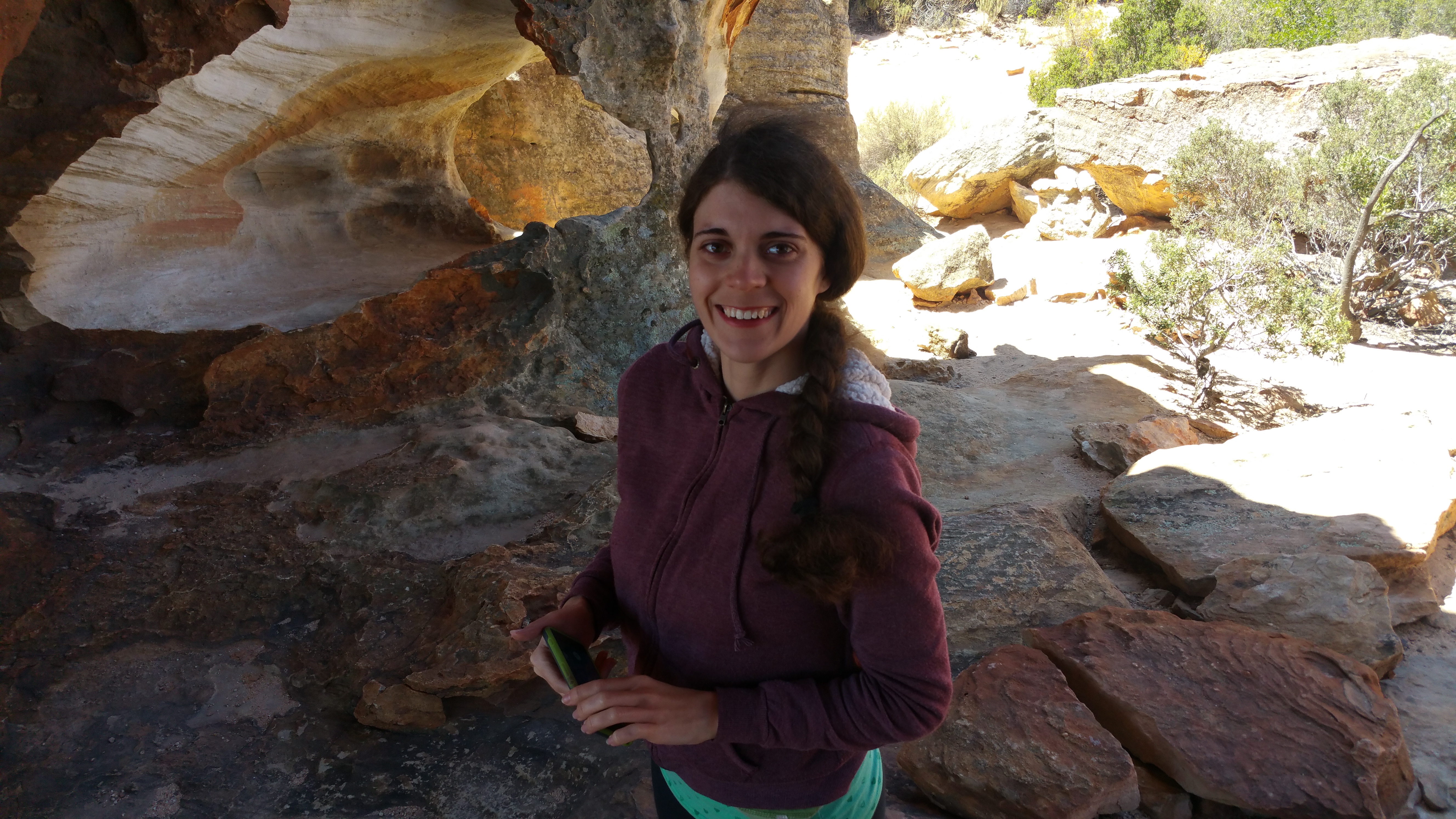
Tamlyn Ryan is the founder of Tamlyn Amber Wanderlust, a travel writing and photography blog. At this stage it focuses on Tamlyn’s adventures in and around Cape Town and the Western Cape. What originally started out as a Journalism assignment at university, soon became a place for her to share her favourite travel adventures, tips and reviews and passion for writing and photography. The blog now also features an exciting category, Guests’ Corner, which showcases guest interviews with top local and international travel bloggers and writers from across the globe.

5 things I love most about Montagu

  1. The natural surroundings, with the rural farmlands, historic monumental buildings, quiet streets, breathtaking Langeberg mountains and (compared to Cape Town) nonexistent
  2. The friendly, welcoming spirit that the people of Montagu, particularly the nearby farmers, possess.
  3. Definitely the local food… Especially when it comes to braais (otherwise known as the South African, improved version of a barbeque)! But Montagu is also deservedly famous for its dried fruit (I recommend the excellent Capedry factory shop) and marvellous muscadel wine – both of which I love!
  4. The Avalon Springs Resort, which is famous for its hot-water pools, enclosing mountains, quality hotel and adorable mountain chalets.
  5. The small mountain pass, Cogmanskloof Pass, and its well-loved, solid rock tunnel. (There’s an old English fort situated above it, which serves as another point of interest.) Cogmanskloof is famed for its gorgeous mountain scenery, rock climbing (at Legoland) and lastly, for the unfortunate way the pass has previously been closed for days at a time during Montagu’s former floods… But it definitely makes for one of the most memorable entrances to any town!

A few quirky/cool/fun things only locals know about

In Montagu, everybody either knows everybody else… or at least pretends to know them. But, jokes aside, it really is naturally friendly town, particularly when you compare to it most other places in South Africa. Here, people will still stop for a chat (usually in the middle of the road or at the tills…), sincerely ask how you are or give a brisk ‘nod’ in greeting. So if you visit Montagu and a bunch of people starting nodding earnestly at you… don’t be alarmed, it’s just a polite greeting.

Top travel tip: On Friday afternoons and Saturdays the town and shops can get extremely busy, while on Sundays (especially after church) most of the town feels on lockdown… So plan your trips and meals in Montagu carefully to avoid any disappointment.

The least touristy thing to do in Montagu

Spending an afternoon ‘shop hopping’… It can be quite boring but only the locals seem to know to visit both the SPAR and Shoprite (and sometimes the town’s smaller shops too) for their best groceries and also, in part, to catch the good daily specials found at both shops.

Best place to enjoy in Montagu…

The water: Poortjieskloof Dam: It’s a vast dam situated on a working farm and it’s great for recreational and water-based activities. Definitely a hit among local townsfolk and neighbouring farmers… I personally have many fond childhood memories from Poortjieskloof. (Entry is free, but there are certain visiting hours and apparently, fishing licenses are now available at the gate.)

The mountains/countryside: Almost anywhere in or around Montagu because the town and its surrounding farmlands are protectively enclosed by the majestic, vast Langeberg mountains – but my favourite place for mountain scenery is now the Koo Valley. This fruitful valley is famous for its winter snowfalls, extreme cold (I would know!) and amazing beauty but, to make it even more interesting, it’s essentially a valley on top of mountains, surrounded by even bigger mountains… Oh, and there’s also a local tractor ride at Protea Farm, which is hugely popular and seems like great fun.

The outdoors: Loverswalk… It’s a short, gentle walk along the banks of the Keisie River, below Kanonkop. It leads through to Joubertpark in town, is wonderfully scenic – and perhaps best of all, it’s free for all to enjoy.


The food: For coffee and cake, I recommend either Rambling Rose (as good as any eatery I’ve experienced in the Mother City) or Die Boord/The Orchard. For anything else, head to the equally popular Die Kloof Padstal, which is beautiful and child-friendly to boot.

The general vibe or nightlife: I would say the Montagu Park Market on Saturdays for the general, buzzing town vibe. It’s a fun local market with great foods, gifts and crafts, and locals love frequenting it as much as travellers do.

Good coffee/tea/wine: For wine, I would venture to Montagu Wine & Spirits Company or the Capedry Montagu Farmstall (they have a great wine boutique), whereas for coffee, you can’t go wrong with Rambling Rose or Die Kloof Padstal.

Meet locals: Again, for me, it’s the weekly Montagu Park Market.

What makes a city/town special for me

The generous or welcoming people, a sense of well-preserved history and unmarred natural beauty or wildlife… I love combining history with present day life, nature with urbanity and good holiday/road trip memories with kind locals… All of which combine to make a city or town extremely memorable and special because it’s sadly something you don’t often find in the world these days.

My favourite small town in South Africa and why

I am going to be incredibly biased… and say Montagu! It remains in my heart and mind wherever I go and most people who have visited it seem to agree that it’s one special town. Also, it’s found along South Africa’s famous Route 62, so it makes for an epic road trip experience.

If I were to do a 10 day road trip through South Africa, these are the stops I’d make:

I would travel from Montagu via Swellendam and then onto Mossel Bay, George, Wilderness and Knysna, spending a day or two exploring the lush Garden Route region.

From there, I’d travel through the Eastern Cape cities and towns of Port Elizabeth, East London and Butterworth before slowly passing into KwaZulu-Natal and exploring tiny Kokstad, Pietermaritzburg and of course, Durban… I would spend a few days there (in the city of my birth) and then take a slow journey back home to Montagu or Cape Town. Maybe via Bloemfontein and beyond to reach the Cape because that’s also a unique road trip experience. I’ve done both journeys before and loved them, despite their own set of challenges.
The ultimate bush experience anyone can have in SA

It has to be the Kruger (National Park) or the private game reserves, like Sabi Sand or Timbavati, that surround it… I haven’t been to any of these yet but the Kruger is definitely one of the most highly rated bush experiences in the world, with amazing wildlife and accommodation offerings.

The ultimate bush experience anyone can have in Southern Africa ( Zambia, Zimbabwe, Mozambique, Botswana, Namibia)

I think in places like Botswana and Namibia, you would want to get out and explore the Namib or Kalahari Deserts. In a country like Mozambique, it’s the beaches and coastline travellers are consistently after, while for Zambia and Zimbabwe, I’d go chasing after waterfalls and lakes because they are blessed with the best in Southern Africa and indeed, in the world.

My best beach/island experience in Southern Africa

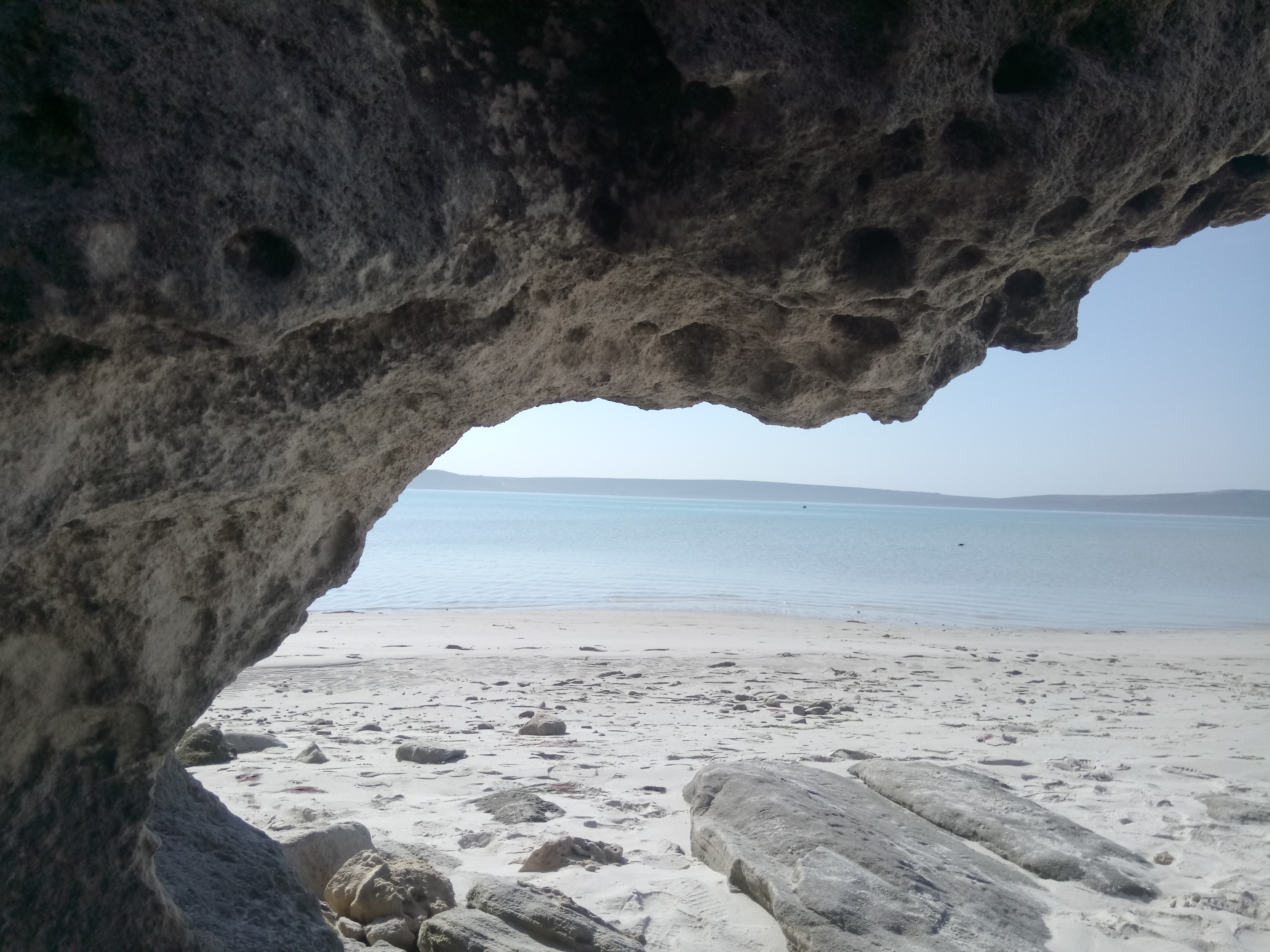
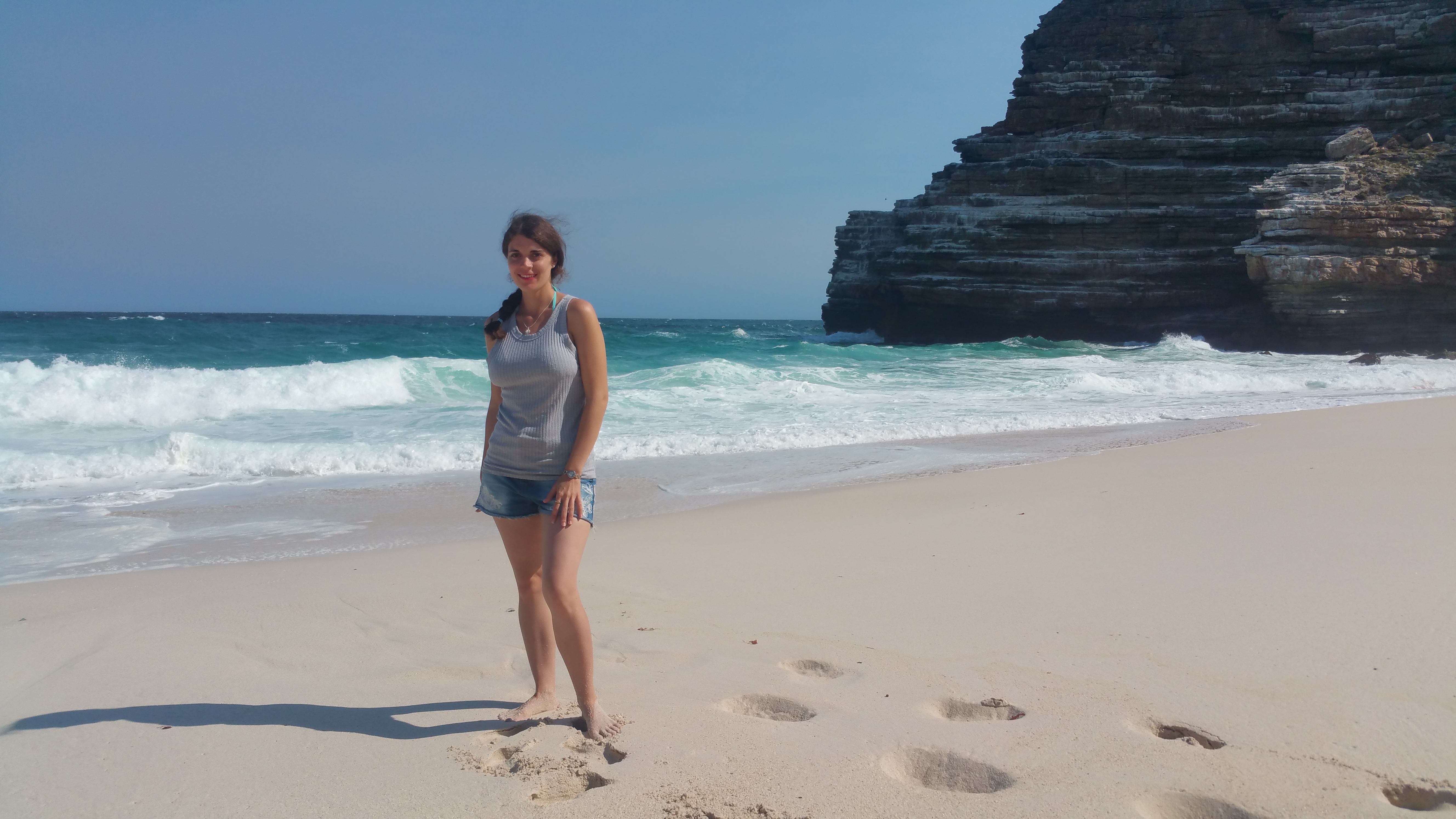
Hands down Cape Point’s Dias Beach or Preekstoel beach in the West Coast National Park… both are absolutely gorgeous, with aqua waters and loads of holiday atmosphere. They’re like something straight out of the Greek Isles, just with the noble Cape mountains and fynbos thrown in for good measure. I also really love Jeffreys Bay and Struisbaai, as both are perfect beach towns.
The most magical place in South Africa and why

Cape Point… There’s just something so fierce and beautiful about the whole place. It has so much history and somehow, even with its flocks of daily visitors, it feels uniquely frozen in time.

The best places to visit in South Africa for…

  1. Solo travelers: Grahamstown and Cape Town’s City Bowl and Peninsula-cradling suburbs, like Bantry Bay and Clifton.
  2. Couples: The Cape Winelands, the Cederberg, the Garden Route and Cape Town’s South Peninsula. Otherwise, Mpumalanga’s Panorama Route.
  3. Families: Route 62 small towns, Robertson and Montagu. Beyond that, I definitely recommend the Garden Route, especially Knysna, Wilderness and The Big Tree near Tsitsikamma.
  4. Luxury travellers: In Cape Town, Camps Bay and Clifton because they ooze city chicness and glamour. Beyond that, I would definitely say the Cape Winelands, especially Franschhoek. (Although the wine valley is great for budget travellers too!)
  5. Those seeking off-the-grid spots: Unquestionably the Cederberg or the Cape of Good Hope… even when there are other people around you, at times, those places still feel entirely untouched by humanity. There’s a certain wildness to them that makes them feel like pure (travel) magic.

Content writer by day and travel blogger by night, Tamlyn Ryan passionately runs her travel blog, Tamlyn Amber Wanderlust, from her home base of Cape Town, South Africa. Despite a national diploma in Journalism, in her free time, Tamlyn’s preferred niche remains travel writing. Tamlyn is a hopeless wanderer, equipped with an endless passion for road trips, carefully planned holiday itineraries and, above all else, an innate love for the great outdoors (and cats…). Catch more travel tips and inspiration on her Facebook page.
Lia’s Insider Guide to Johannesburg

Lia Marus, founder of Memoirs of a South African Freelancer, is an editor and writer. Her blog showcases her travels and experiences in life, as well as her thoughts on copywriting and editing – which is what she does for a living. She runs her own content creation agency and spends her days creating articles for clients.  She loves creating new things, and believes this is what defines her.

5 things I love most about Johannesburg

  1. Number one on the list would definitely have to be the people. Johannesburg definitely has the most welcoming and vibrant community of anywhere that I’ve been.
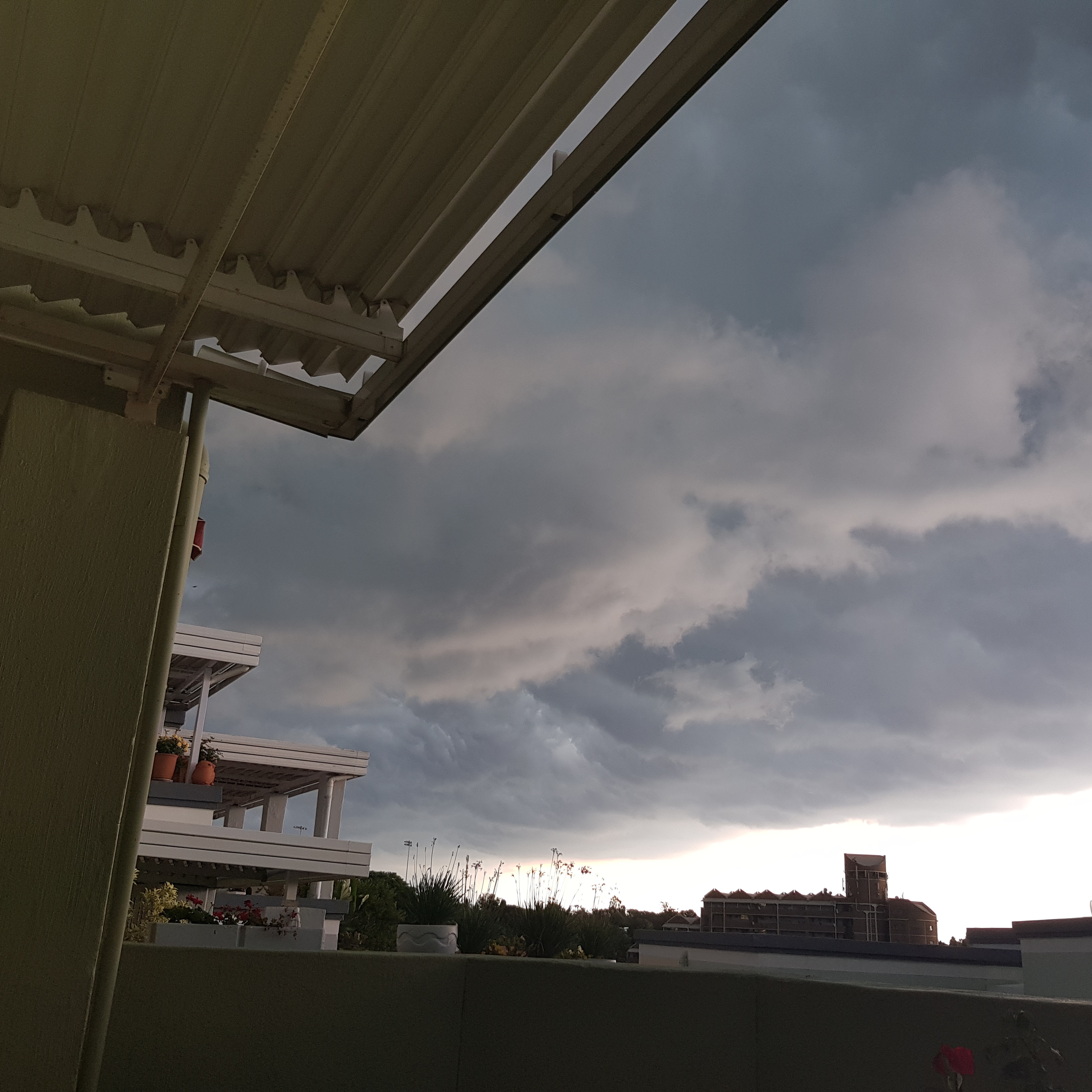
  2. The late afternoon thunderstorms.
  3. The Gautrain – this is the only way that I travel to OR Tambo Airport and Pretoria! I am very excited that it’s being extended!
  4. The African arts and crafts that you can find at the Rosebank Craft Market. I’m in love with African jewellery.
  5. The coffee shop culture. As a freelancer, my office is wherever I want it to be. Very often, I set up my office at one of the stunning coffee shops in my area.

A few quirky/cool/fun things only locals know about

Johannesburg has a great deal of factory shops that many don’t know about – big brand clothing comes to mind. You will find a lot of fantastic deals at these places.

Another great thing to do is to go on walking art tours in Maboneng. On these tours you will be able to interact with the artists in their studios.

Before they start each production, the Joburg City Ballet organises an open day where the choreographers, ballet teachers and company give you a behind-the-scenes glimpse into what was involved in putting the production on.

The least touristy thing to do in Johannesburg

Definitely hanging out in coffee shops!

Best place in Johannesburg to enjoy…

The water: Emmarentia Dam

The mountains/countryside: Magaliesburg

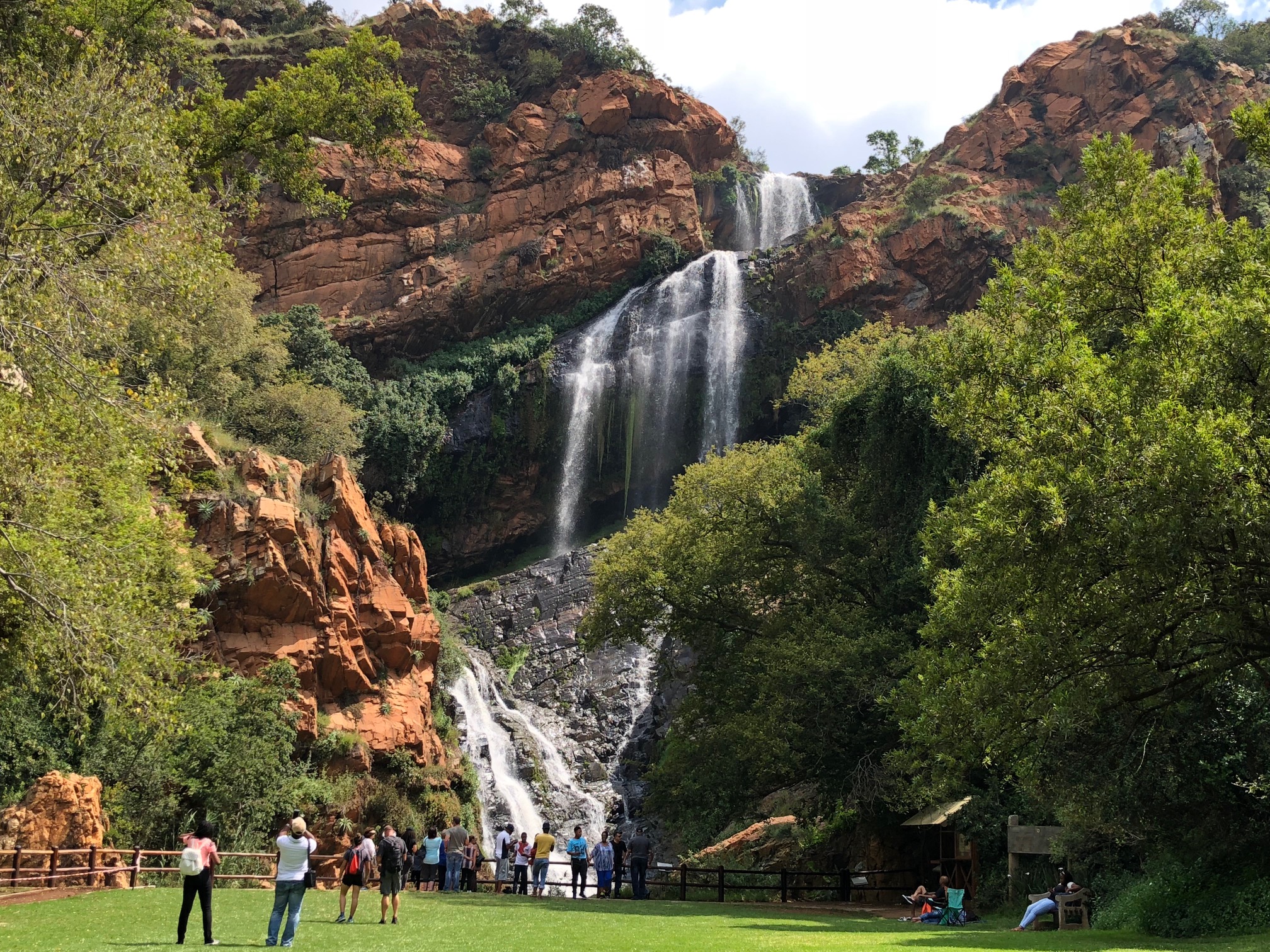
The outdoors: Walter Sisulu Botanical Gardens

The food:  So many options! It really depends on what you’re in the mood for:

  • Great sushi that won’t break the bank: Hokkaido in Norwood
  • Italian food: Dolci Café in Craighall Park
  • Mexican: La Rosa in Weltevreden
  • Indian: Red Chilli Spice in Craighall
  • Chinese: It’s a takeaway but the best, by far: Yung Chen

The general vibe or nightlife: Anywhere on Nelson Mandela Square that offers seating on the square. Moyo at Zoo Lake – especially in the evening – has a stunning vibe.

Good coffee/tea/wine: Dolci Café is always on my list!

Meet locals: Dolci Café is always on my list!

What makes a city/town special for me

It must have a heart and soul. The people must be welcoming and it must make me feel at home.

My favourite small town in South Africa and why

I love Bela Bela. The big attraction for me are the hot pools. Going there allows me to melt my stress away.

If I were to do a 10 day road trip through South Africa, these are the stops I’d make:

I would love to explore KwaZulu-Natal and the Eastern Cape. I’m not sure what stops I would make as I don’t know these provinces that well.

The ultimate bush experience anyone can have in SA

Phinda Game Reserve

The ultimate bush experience anyone can have in Southern Africa ( Zambia, Zimbabwe, Mozambique, Botswana, Namibia)

I’m not that familiar with bush experiences in Southern Africa. Something that I need to investigate!

My best beach/island experience in Southern Africa

St Lucia, KZN

The most magical place in South Africa and why

The Drakensburg. The mountains have a story to tell and it’s different every time I go there. I love seeing the effect that the change of seasons have on them.

The best places to visit in South Africa for…

  1. Solo travellers: Cape Town – specifically Greenpoint and Sea Point
  2. Couples: Clarens
  3. Families: Sun City, Durban or Cape Town
  4. Luxury travellers: Cape Town has some stunning luxury accommodation as does Magaliesburg.
  5. Those seeking off-the-grid spots: The Karoo and the KZN coast near the Mozambique border.

Lia, founder of Memoirs of a South African Freelancer, is passionate about communicating others’ stories and messages through the written word. She loves creating new things, and this is what defines her. Her creativity can be seen in everything that she does – from her work to her ‘play time’: she loves beading, sewing and coming up with new creations in the kitchen.


The Art of Travel on the Blue Train

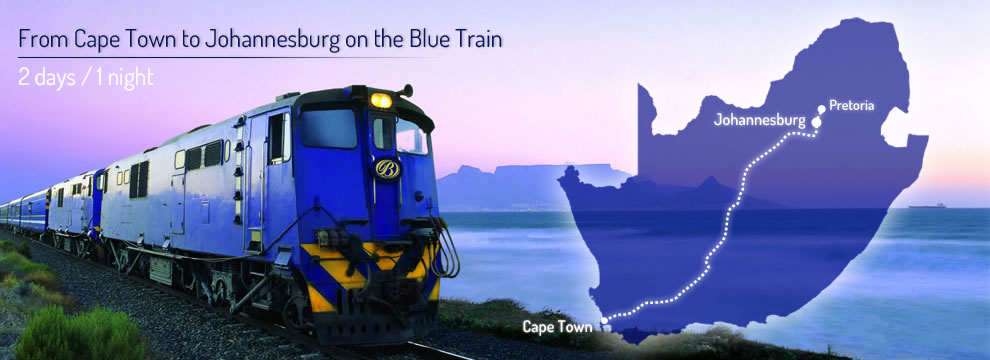
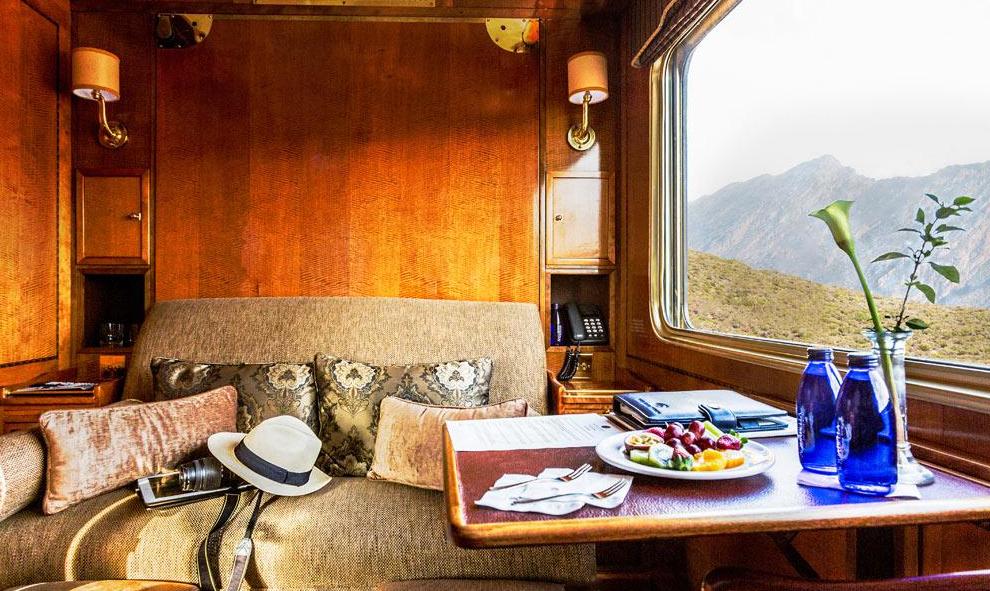
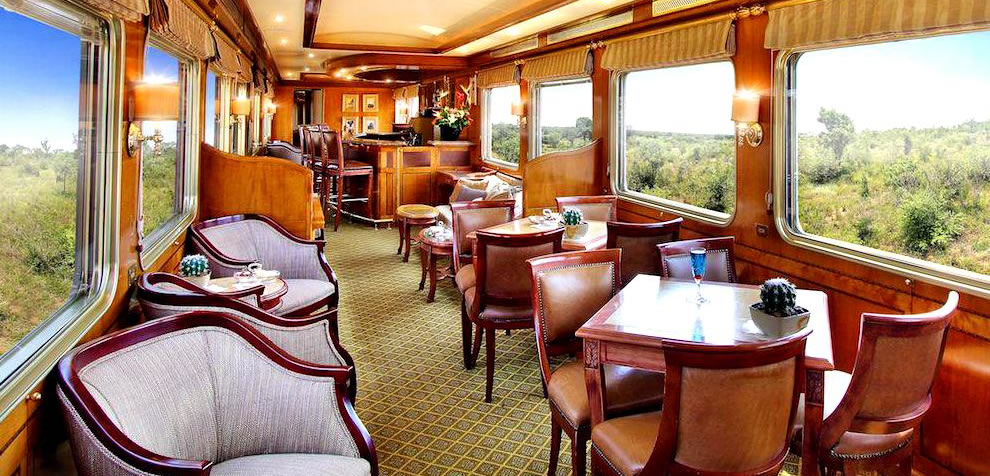
While you may very well take a flight from Johannesburg to Cape Town, you also have an alternative: travel with class and elegance and treat yourself to a unique experience. Today, our daily life very often resembles a race against the clock: Imagine finally being able to take the time and relive the golden age of luxury train travel. Find the very essence of travel where the art of journeying is as important as the final destination. Plunge into the old-world charm of the legendary Blue Train which is to Southern Africa what the Orient Express is to Europe.

So this is a surprise; your man still doesn’t know anything about this trip. A couple of days’ vacation for the two of you, as the last time was so long ago. It is true that lately, because of your respective workloads, you feel as though you have been living apart from one another.

That day at dawn, a taxi will come to the hotel to pick you up and take you to the station. You enter the beautiful waiting room and only there, he understands. You area about to board the famous Blue Train, to experience this historic train as many heads of state and celebrities have before you. Butlers with white gloves whisk your luggage away before offering you coffee and canapés and impatience is now at its height. Seeing the look of disbelief on his face, you cannot help but smile out of satisfaction: you hit home.

8:30 am – On board

The stationmaster whistles for the train to leave the station. You settle in your private quarters, a suite with all the modern comforts and even a private bathroom with a bathtub. Your butler comes to you and brings you your first drink. You begin to relax and look at the changing landscape behind the panoramic windows, while sinking in your cozy seat.

10:30 am – Breakfast time

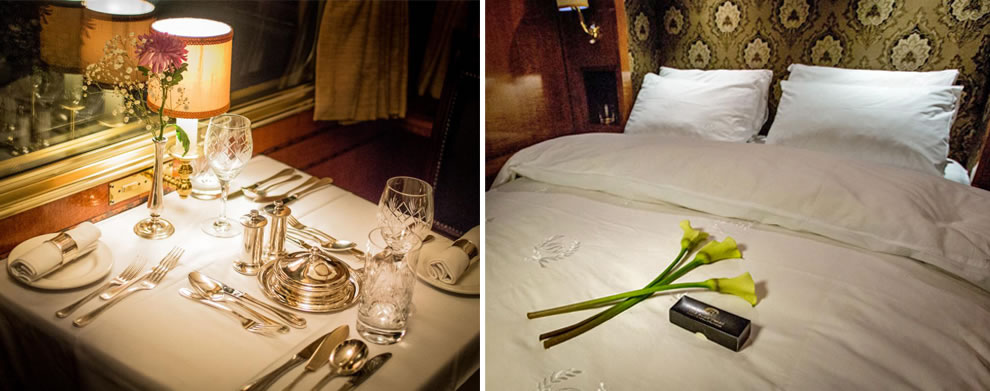
It is time for breakfast. You are dazzled by the lifestyle aboard this palace on rails: fresh flowers, refined tableware made of delicate china, silverware and crystal glasses. Fine dining at its best, featuring South African cuisine and wines. Really, it is the perfect place to reconnect, to finally take the time to relax, without obligations… at last. You already consider the 27 hours it will take for the train to cover the 1,600 km journey as a legitimately stolen break from the plain daily life where you have been caught for too long.

The afternoon runs just as perfectly. After a well-deserved nap, high tea is served, and you settle in the lounge car to enjoy a Margarita.

7:30pm – Dinner time

This exclusive trip takes an extra romantic turn at dinner time when, according to tradition, the guests dress up: jacket and tie for men and evening gowns for women. You struggle to remember the last time you two had dinner in such an environment. Your conversation has regained its natural state. Time stands still. The soft music in the dining car mixes with the clear sound of champagne flutes clinking against each other.

When you retreat to your suite, the butler converted what had been a comfortable lounge during the day into an opulent bedroom. You close the door behind him and notice that his suit has kept a bit of the aroma of the Cuban cigar he smoked after dinner. The soft lighting let the intense starlight flood the room. Tomorrow you will cross the mountains and arrive in Cape Town, the mother-city. Tomorrow. Meanwhile you are the only two people in the world.

The Blue Train runs between Cape Town and Pretoria (one way in both directions) and will open a new route to the Kruger National Park this year via Hoedspruit.


By Angeline Jaquin

Camping like age-old explorers in wildest Botswana

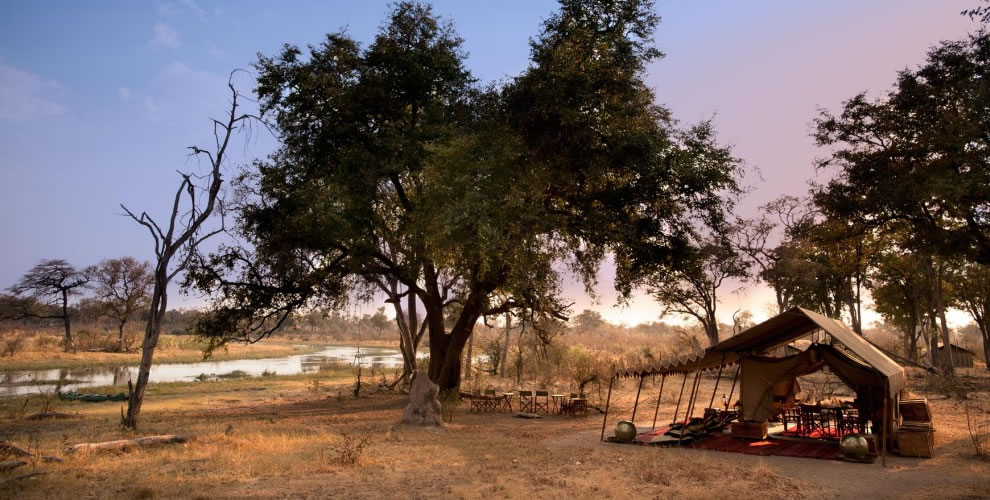
Who has never wanted to play explorers, to cut all ties from daily routine to relax for a week in the middle of wild Africa? My partner and I, real nature-lovers, decided to live this authentic experience. We went to the Explorers Camp Selinda, in Botswana, which is probably the wildest camp in Southern Africa. The camp, located in the heart of the Selinda Reserve, is made up of only four tents, each of which can accommodate up to two people, making the atmosphere even more intimate and authentic.

Upon our arrival at the camp our hosts welcomed us with a drink in the main tent, decorated with recycled wooden furniture, beautifully detailed Persian rugs and crystal decanters. Everything is designed to make us feel in harmony with the style of the early explorers.

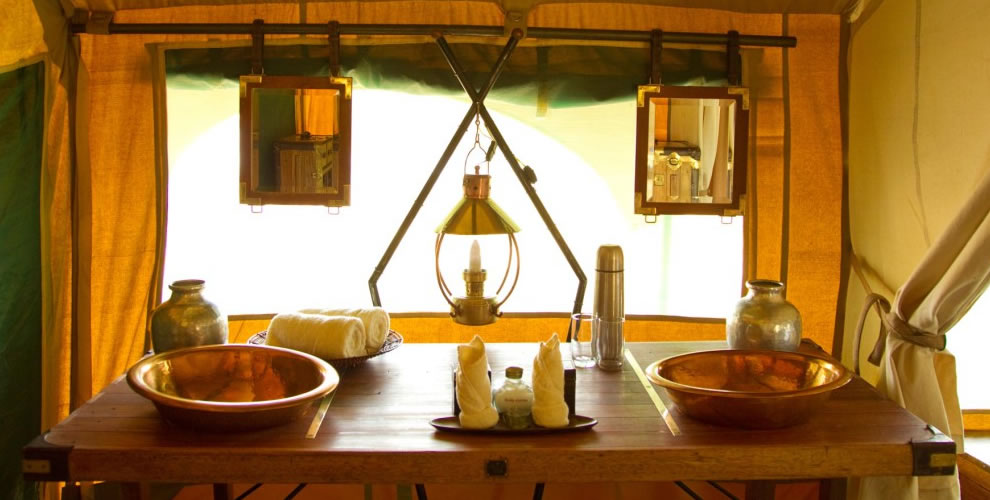
We then headed to our tent which overlooked the canal of the Selinda Reserve. I discovered that our bathroom, although closed on the sides, was open air. Of course, there’s no talk of having running water. The hot water and cold water for the bucket shower are brought to our tent on request, in copper pans. The philosophy of exploration is at its peak!

After settling in, we enjoyed the quiet of the bush on the roomy hammocks placed on our private veranda. The sun set slowly, creating different colours over the breathtaking landscape.

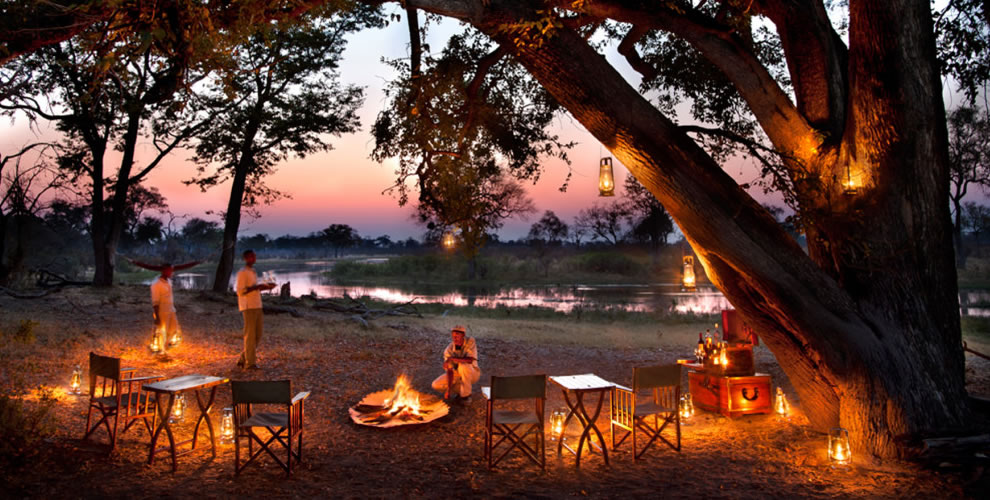
Tonight we will dine under the stars. We enjoyed a cooked meal over an open fire and listened to our ranger telling us stories of the bush. Selinda Reserve is home to immense herds of elephant and buffalo, but it is also a great place to see lion and antelope.

That is why tomorrow at sunrise we will continue our quest for exploration through a hike in the bush, followed by a canoe trip. Now this is wildest Botswana, at its best…

By Candice Chapel

Singita: Child-friendly Lodges perfect for family travel

You love travelling and discovering new destinations? Are you curious about exploration and love nature and the wilderness? Welcome to Southern Africa. The only glitch to your travel plans is that you have children and many  top range accommodations do not accept them.  No need to worry, the combination of a wonderful trip with your entire family is now possible. We decided to select the Singita group, which is represented everywhere in South Africa, in Zimbabwe and in Tanzania.and warmly welcomes families with a wealth of original activities.

For parents travelling with their children, Singita Boulders and Ebony Lodges (South Africa) along with Singita Pamushana Lodge (Zimbabwe) is ideal. Activities at the lodges are specifically tailored to the interests of each family. Here you can find some of the most interesting ideas in the world, which are based on their originality, their educative and informative goal.

Baking with the lodge chefs

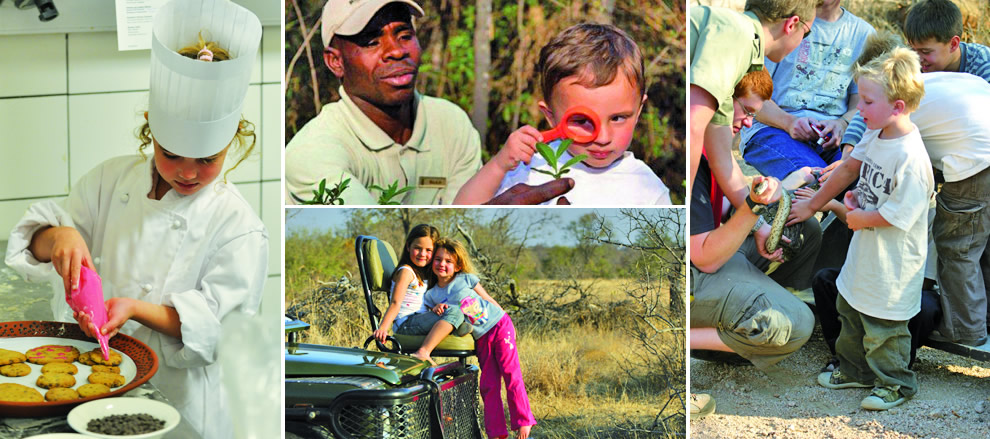
What do you think about cooking with a chef? This activity, called The Cookie-cutter Program, is proposed in Ebony Lodges and Sweni Lodges. Children make their own cookie with the help of one of the lodge chefs. It is a way to learn a new skill that will earn them bragging rights with their friends!

Mini Rangers’ Course

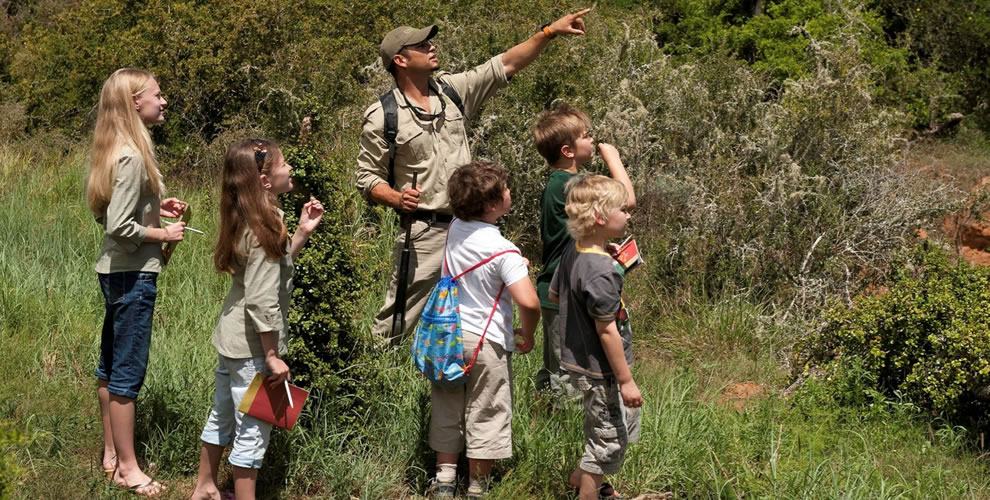
This activity is a real chance for kids to discover the huge and complicated nature they are taking part of. Accompanied with a guide, these races cover tracking animals; frogging; butterfly capture and release; astronomy; bush survival techniques; flower-pressing; game-spotting competitions; nature quizzes and a guide’s test.

Community Projects: Early Childhood Development

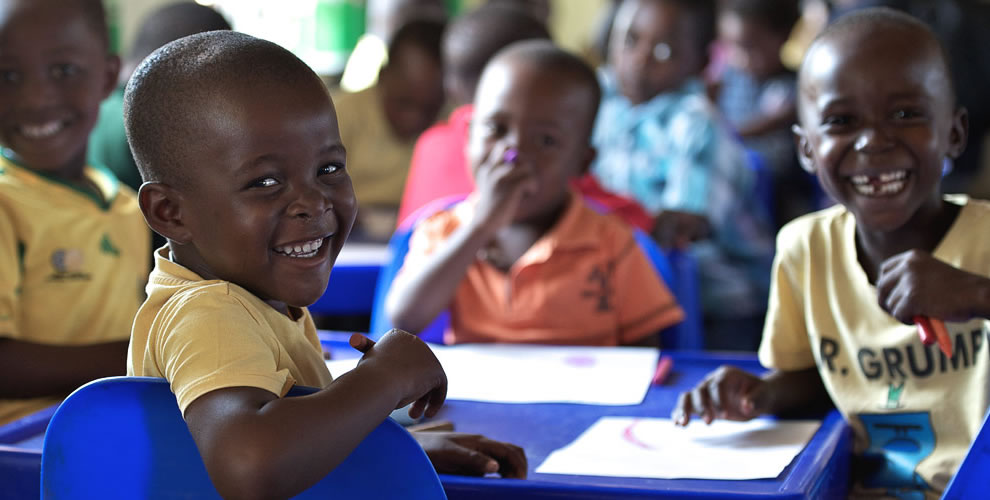
Finally, we want to present you an initiative that is really important to Singita. The group is involved in the community development of the Sabi Sand Game Reserve.  They created a partnership with the READ Educational Trust, a long-standing, non-profit organisation that recognised child development leader, to enhance the quality of early childhood education offered by the preschools. For instance, they organised formal training courses for teachers. For example, through the Growing to Read” program, Singita has chosen to focus on the literacy of children.

You can meet the children in these schools and learn more about this program and its benefits. Through this initiative, it is also a way to support children’s future, and one more time, the family concept in general.

By Elise Langlois

Khwai Private Reserve: Where the wild things are…

Positioned within Botswana’s Okavango Delta, adjacent to Moremi Game Reserve and Chobe National Park, Khwai Private Reserve is truly where the wild things are, with up to 50 different species being sighted on particularly productive game drives, but that hasn’t always been the case…

KPR (as it’s affectionately known by those whose hearts it has captured) was once a hunting concession. It’ll come as no surprise to learn that animals in such an area tend to be somewhat wary of human activity and thus are difficult to get a really good look at. Being a solely photographic operation, we don’t need the thrill of the chase, we prefer happy, relaxed wildlife that our guests can spend time watching, so we immediately set about habituating the wildlife when we became involved with the reserve.

We spent an entire year tracking animals and gradually getting them used to the presence of our vehicles, and within two to three years of hunting stopping the wildlife sightings increased dramatically.

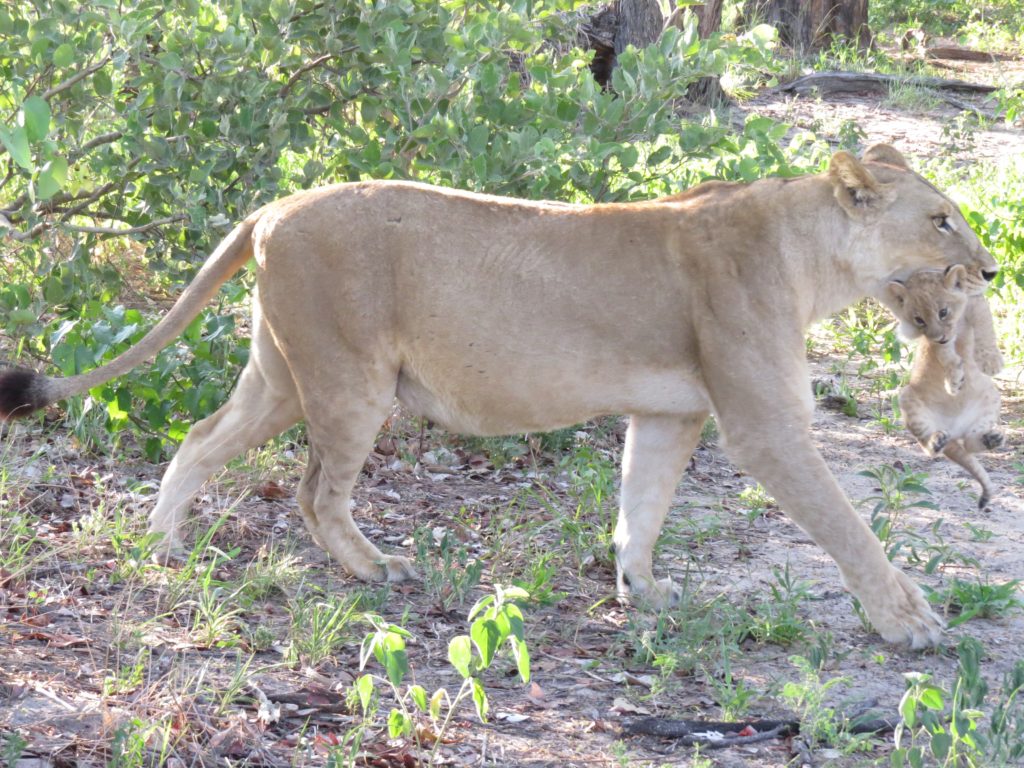
Predators are always a major safari highlight of course, and there’s no shortage of them in Khwai. Families of lions laze in the hot sun, and leopards give away treetop locations with the flick of a tail. Cheetahs can be seen stalking through the long grass whilst African wild dogs whip one another up into a hunting frenzy.

Large herds of elephants parade through the concession, and buffalos barrel determinedly across the plains. Baboons shout and whoop to each other, as a variety of antelopes including sable and roan graze quietly, with twitching ears always aware of others around them.

It would be easy to assume that a reserve which extends to 495,000 acres and boasts abundant wildlife might be full of camps, but that’s certainly not the case at KPR. On the contrary, we operate only three camps here: Sable Alley, Hyena Pan and Skybeds, whilst photographers rave about Khwai Pangolin which is also in the concession.

We like to think that we’ve been rather clever with our placement of the camps by positioning them next to water. At Sable Alley for example, the sound of hippos snorting provides an ambient soundtrack to camp life, and it’s not unusual to have elephants brushing past the canvas of your room as you lie in bed reflecting on the day. Hyena Pan meanwhile is becoming iconic for the plethora of elephants who visit, often approaching the camp’s decks to get a better look at the guests and staff – we’ve even installed a wildlife viewing hide to allow guests to get even closer to these giant characters.

Skybeds is an innovative setup that’s completely open to the sights and sounds of the bush, and throngs of elephants often wind their way around the platforms, with the occasional hyena being sighted from the viewpoints the beds offer as well.

The wildlife in Khwai Private Reserve may not have been historically strong, but this rather special area is going from strength to strength, and the animals seem to like visiting just as much as our guests do!

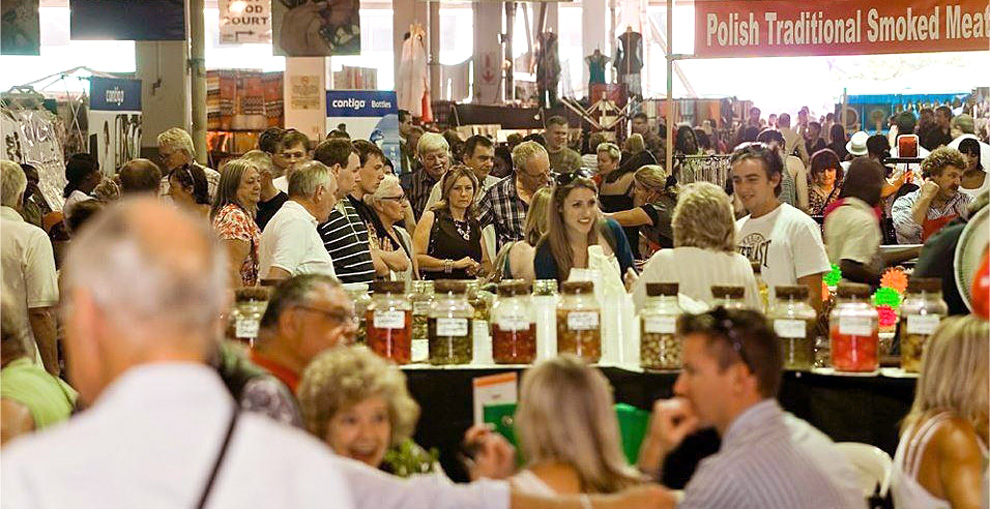
Joburg: an Urban Stroll Through City Markets

This month, I’m writing you from Johannesburg where I discovered some markets that are definitely worth a visit.
Joburg is full of surprising places, original and offbeat concepts. Follow me on my urban ​​stroll…

BRYANSTON ORGANIC MARKET

On Thursday, I asked the receptionist of my hotel to recommend a nice and pleasant place for brunch. His answer was clear-cut: The Bryanston Organic Market. If you are looking for a green setting in the city center, this market is for you. The organic food was delicious and we found so many things: jewellery, flowers, sculptures, vintage clothes, souvenirs, crafts, and toys. We even found activities for kids! This change of scene is enjoyable, especially when we know we are in downtown Johannesburg.

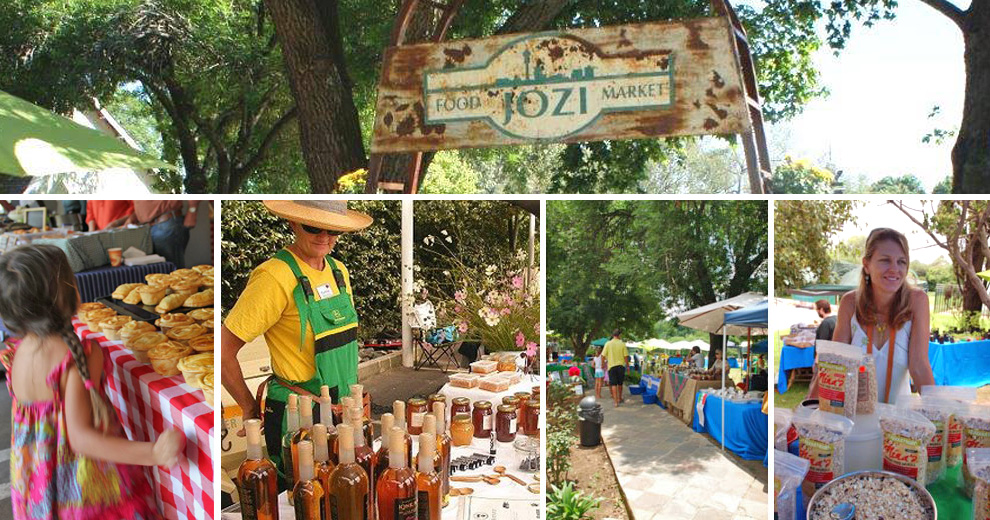
JOZI FOOD MARKET

Are you a nature lover? Then do not hesitate to make a stop at the Jozi Food Market if you are passing through the Pirates Sports Clubs. This market supports the local craftspeople; you can buy many wonderful souvenirs here. This allows you to discover typical products from the region while also supporting local businesses. So you enjoy fresh local produce, original recipes and the outdoors, this is the spot for you. Enjoy the sun and savour a cup of Rooibos comfortably seated on the lawn and a band will be there for some live entertainment.

ROSEBANK ROOFTOP MARKET

If you are looking for a key and trendy market, you have to go to the Rosebank Rooftop Market. When I arrived, a band was there to liven things up while the locals and tourists talked together and savoured African specialties. There were lots of stalls with handmade souvenirs (here they call it a Craft Market) this is a must see in Johannesburg. Therefore, it is not surprising that this Joburg treasure won its 11th award as the First market in Johannesburg.

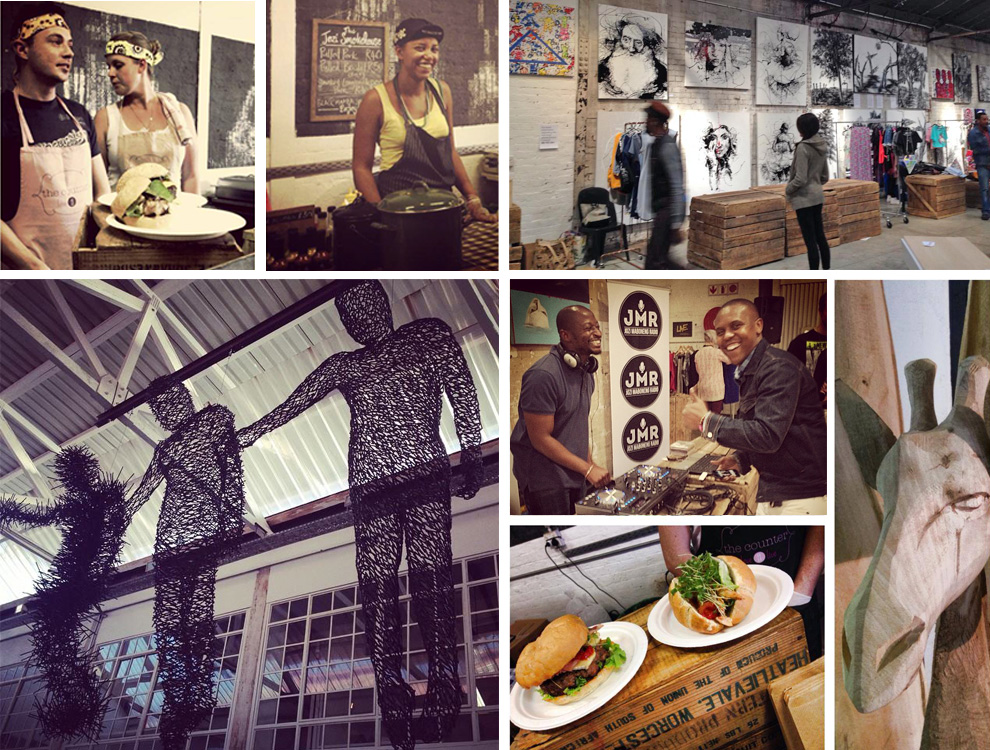
MARKET ON MAIN

Now, if you’re seeking the trendiest spot in town, the place that brings artists of all kinds and the best in terms of design together, head on over to the Market on Main. It is the place to be. Every Sunday morning this market, located in the Maboneng Precinct (the artists’ area), makes it possible to dive into vibrant Joburg. Offering second hand clothes, designers, organic food, and music makes Market on Main the complete creative urban cocktail.

Obviously, Gauteng is full of attractive small markets, whether it be food markets, craft markets, flea markets and even markets dedicated to traditional healing, you’ll find exactly what you are looking for in Johannesburg. If you come to this beautiful part of the country you will never forget it.


By Aurélie Jammes

Meet & Greet Gugu

Welcome back to our XO series ‘Meet & Greet’ where you get to know the staff member you’ve chatted to or the one who’s been at end five month long email conversation. This episode we meet our wonderful Content Designer, Gugulethu Ntombela.

Places to Visit in Northern KwaZulu-Natal

Bays like Sodwana, Kosi, Rocktail and St. Lucia Town have always beckoned me. I’m not sure if it’s their seclusion, their wild beauty or the burgeoning eco systems of this land that held such appeal for me but when I finally got to visit with Vaughan and my son Caleb, I couldn’t be more excited. Road tripping through the region, staying a different place every night we saw so much. But here are the spaces and parts of the trip I loved the most and the ones I suggest you visit ( and yes they all involve water)

1. Lake Sibaya

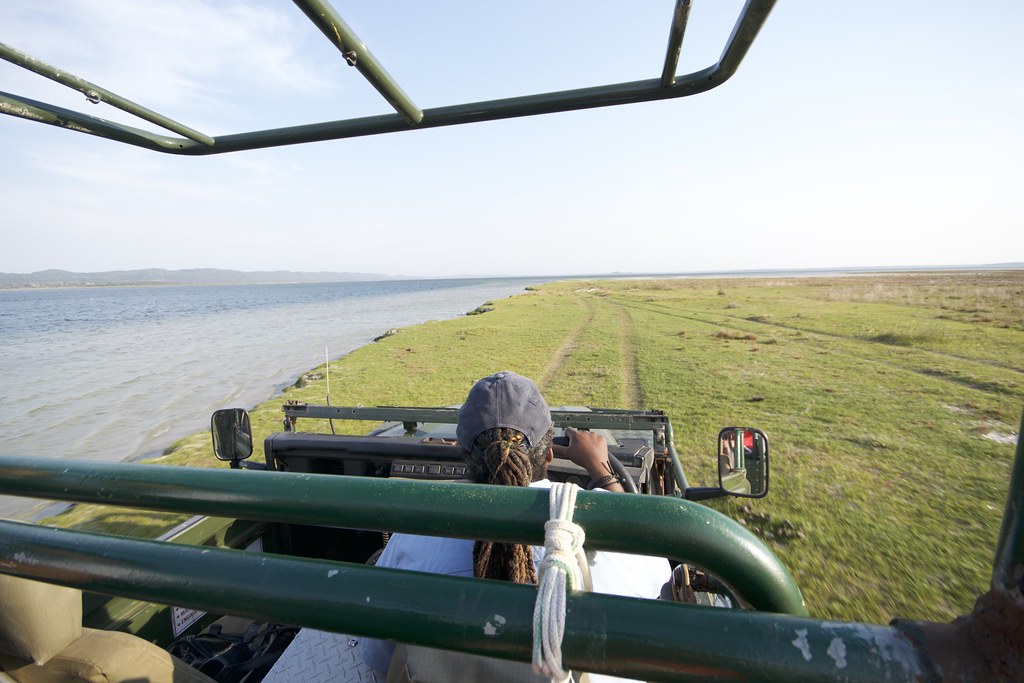
Within the 32 000Km which make up the iSimangaliso Wetlands, lies the alluring Lake Sibaya. One of the best parts about this Lake is actually the journey it takes to get there. Our guide Gugu from Rocktail Bay Camp took us through dense forest, golden savannah with grazing Nguni cattle and past sparse Mabibi homesteads. Time of day is everything and judging from the way the sunset glow cast a warm glow on this light blue lake, I would say don’t go at any time other than this. I trudged through swampy ground, felt the moist moss beneath my feet and even dipped my toes into the fresh water with a family of hippos far in the distance.

Travel Tip:

While this blue lake beckons you to dive in, don’t be tempted as crocodiles, hippos and much more call this lake home. I would advise you not to go near the water without a guide present who knows the area and can spot the wildlife quickly. Go at sunset time and take a camera, you don’t want to miss golden hour here.

2. Lala Nek

Photo source: Darren Glanville

It could be my childhood nickname ‘Lala’ or the fact that it means ‘place of rest’ in Zulu but after a Land Rover drive along a sandy lane through a dense dune forest, I arrived at what appeared to be paradise. Shards of light peaked through the white pear and milkwood trees and we parked in this portion of the Isimangaliso Wetlands which allows a maximum of four vehicles. Beach towels and toddler in arms, we made our way through a tunnel of woody hedges with only a deserted beach in view. Other than one couple, we had the beach all to ourselves for sunning, swimming and snorkeling.

Travel Tip:

There is no shade on this beach so take an umbrella, sunblock, beach towel, swimming costume. Snorkelling is great here so bring a snorkel and goggles to take advantage of the rich world here. Try not to swim alone as there are no lifeguards on duty and don’t go too far out especially if you don’t know about the currents here. Please take your litter home with you.

3. Hippo Cruising in St. Lucia

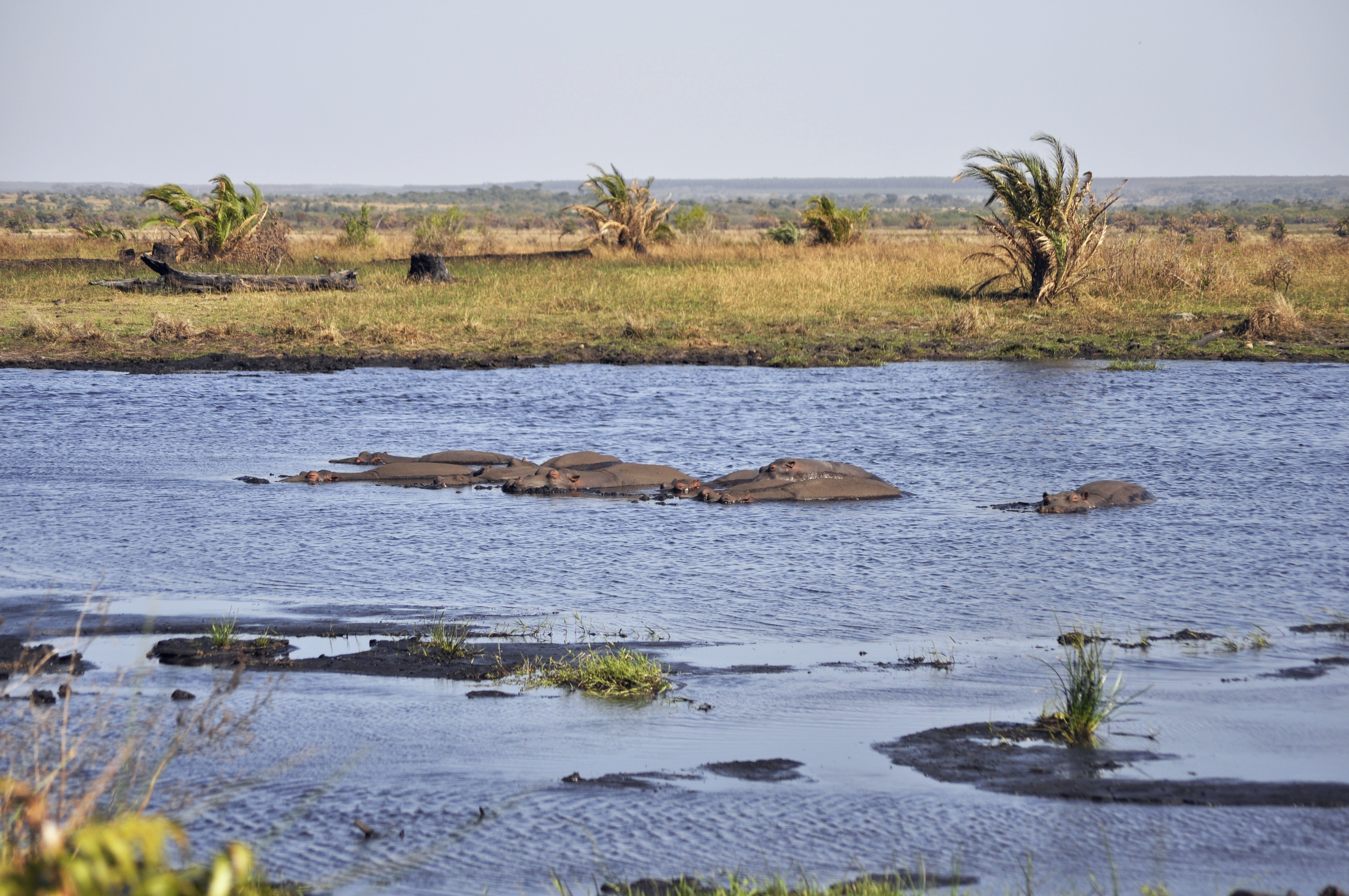
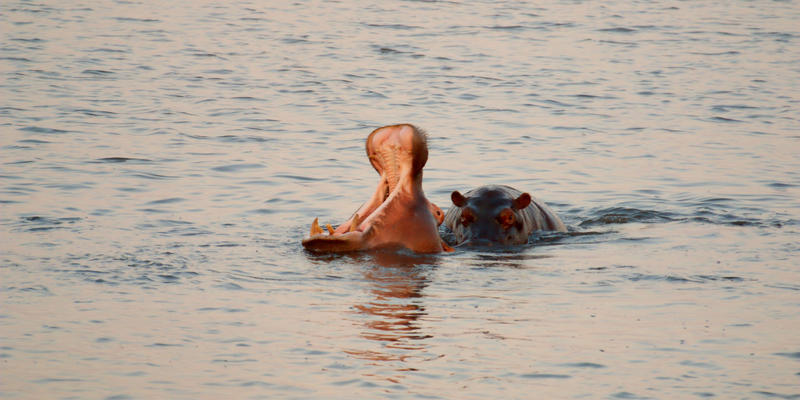
I’ve done many incredible things first thing in the morning, but this was the first time I was able to sip coffee, watch hippos playing the water and eat croissants at the same time. It was a splendid way to start the day. Aboard a Shakabarker Tour boat, we chatted about the multiple eco systems around this river, the natural sun protection of hippos and their ability to breathe beneath the water. We saw a crocodile, hippo paths up the hills and babies peeking above the estuary’s surface.

Travel Tip:

When going on a boat tour in the morning, take a warm top as the wind can pick up and it can get quite chilly early in the morning. Whilst we went with Caleb who was crawling at the time, it may not be the best for toddlers who are walking/running as there are areas of the boat which are not tightly closed. And just means parents will have to keep them on a ‘tight leash’ to avoid any accidents. To book your Hippo cruise, visit Shakabarker Tours.

4. Houseboating on Lake Jozini

This was my first house boating experience and it was pretty unbeatable. Think cruising between the Lebombo mountains ever closer to the horizon at the end of Lake Jozini, whilst sitting in a jacuzzi or fishing on deck. You have everything you’d ever need on board like couches, a cosy cabin, dining area, bar, jacuzzi and the tutorage of Captain Bransom when it comes to tiger fishing. I was able to bag a tiger fish one morning just after stepping out of our cabin which is often the goal of most people staying on the Shayamanzi. My absolute has to be watching fire flies in the night sky from the bed in my cabin.

Travel Tip:

It’s hot aboard the boat in the day and gets cooler in the evening so bring something to wear in different conditions including a swimming costume for the jacuzzi. Don’t miss out on the fishing, even if it’s not your thing. You’ll be pleasantly surprised by how fun it really is. Also be sure to look outside at night to see the fireflies. To stay and cruise aboard the Shayamanzi I, visit Shayamanzi houseboats

5. Lake Jozini

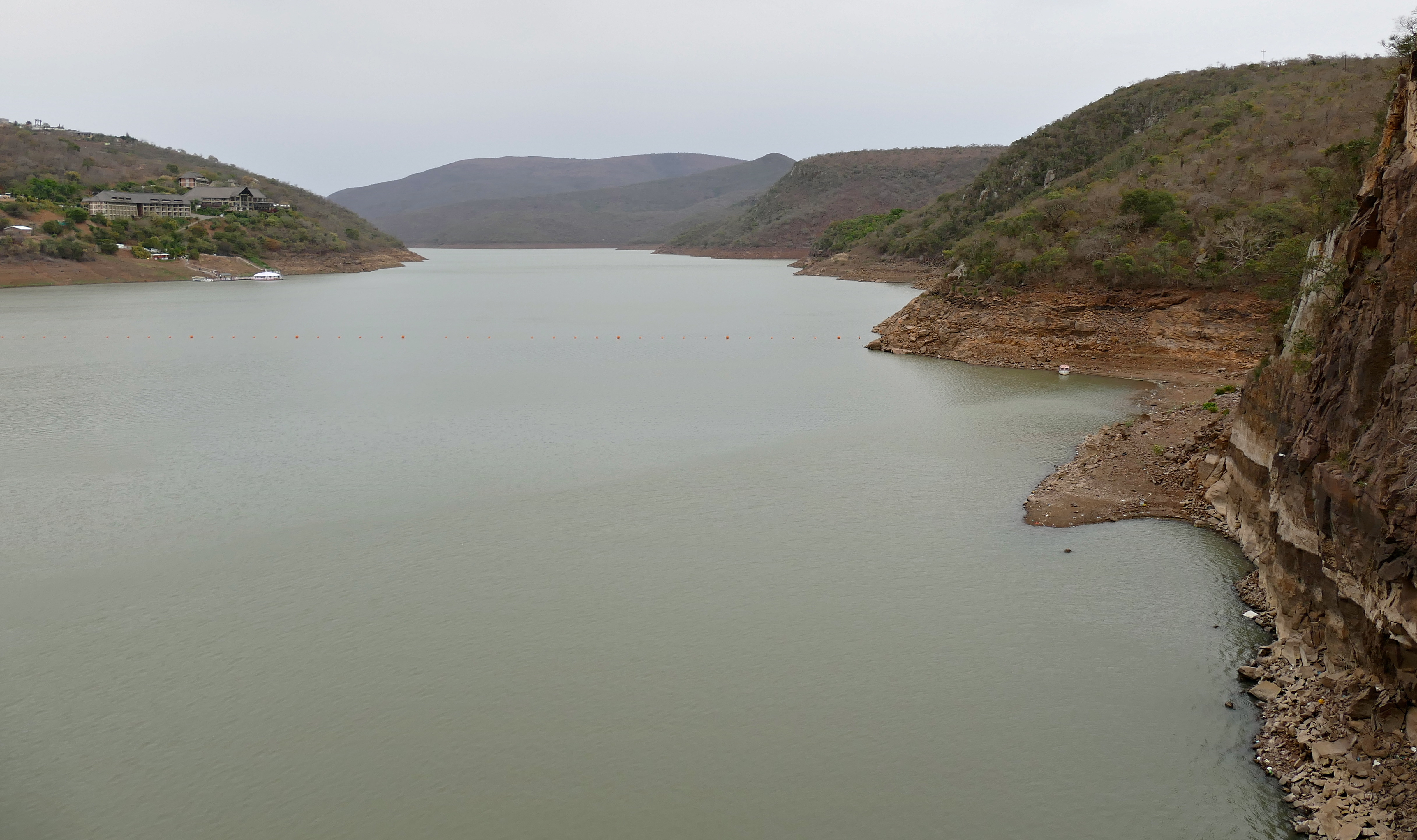
Lake Jozini is the third largest lake in South Africa and is the southernmost home of the tiger fish. Also, known as Pongolapoort dam. It is approximately 30km long and 5km wide. The mountains form the Eastern shore. The lake wall is in a 5km gorge in these mountains. The lake is surrounded by reserves on all sides, and is abundant in wild life, such as elephants, hippopotamus, rhinoceros, giraffe, buffalo and various other game. When full, the lake covers approximately 16000 hectares. The department of Water Affairs monitors the lake and keeps the level between 70% and 80% full.

Photo source: Bernard DUPONT

Lake Jozini is a very productive lake, being home to a few other species including: Sharptooth Catfish, Threespot Barb, Bowstripe Barb, Imber, Carp, River Goby, Purple Labeo, Rednose Labeo, Silver Robber, Mozambique Tilapia, Silver Catfish, Redbreast Tilapia and a variety of other smaller species. After the heavy rains brought by Cyclone Demoina, fish (including the Largemouth Bass) from the farm dams upstream swam into the dam. Tiger fishing on Lake Jozini became popular in the mid 1990’s. Marketing of the area has increased the number of anglers visiting the lake. It has proven to become a wonderful alternative to tiger fishing in neighbouring countries, although the average size tiger fish is a little smaller than those caught up north.

Travel Tip:

Stay at the Pongola Game Reserve on the shores of Lake Jozini and enjoy rhino tracking, guided walks, boat trips, tiger fishing and more.

6. Hluhluwe Game Reserve

Set in the heart of Zululand this is the oldest game reserve in Africa, where Zulu kings such as Dingiswayo and Shaka hunted and put in place the first conservation laws. Today, Africa’s ‘Big Five’ (lion, elephant, leopard, buffalo and rhinoceros) stalk the flourishing savannah. Game viewing is the principal attraction in the Hluhluwe-iMfolozi Park. Viewing hides overlook pans and waterholes enabling one to observe the wildlife at close range.
The hilly Hluhluwe-iMfolozi Park is also known for its wilderness trails which originated in Umfolozi in the 1950s and its renowned Game Capture unit upgraded into the Centenary Capture Centre, a bench mark for animal capture and sustainable utilisation throughout Africa.The Park covers some 96 000 hectares and contains an immense diversity of fauna and flora.

Apart from game viewing drives there are self guided auto trails which provide information on both the management and natural history of the Hluhluwe-Umfolozi game reserve. Guided walks can be especially rewarding in the early morning and late afternoon.
There is a 40 seater boat on Hluhluwe dam which takes visitors on guided trips twice a day. The trips are conducted by an experienced community guide and visitors can see an excellent range of birds and animals within the park while the Zulu culture is covered in the community areas outside.

Travel Tip:

Take a day trip into the park or stay within the reserve at one of the lodges and resorts. Self-drive or go on a game drive with a game ranger.

by Lauren McShane

Our Trip to Zeitz MOCAA

As XOnians, we took a trip to Zeitz MOCAA and had a blast. Zeitz MOCAA is located in Green Point, Cape Town and is a public not-for-profit contemporary art museum which collects, preserves, researches, and exhibits twenty-first century art from Africa and its Diaspora. We wandered through the halls of the museum, overwhelmed by the beauty and intricacies of all of the pieces on display. We ended the night off with a lovely dinner and dessert, and ate while a live band played upbeat World music.

When we got there, the line to the entrance was so long. A lot of people were ready to explore and experience the art inside. Great treasures lay beyond these glass doors. All of the featured artists who created the artworks inside the museum are from Africa and the Diaspora.

Athi-Patra Ruga

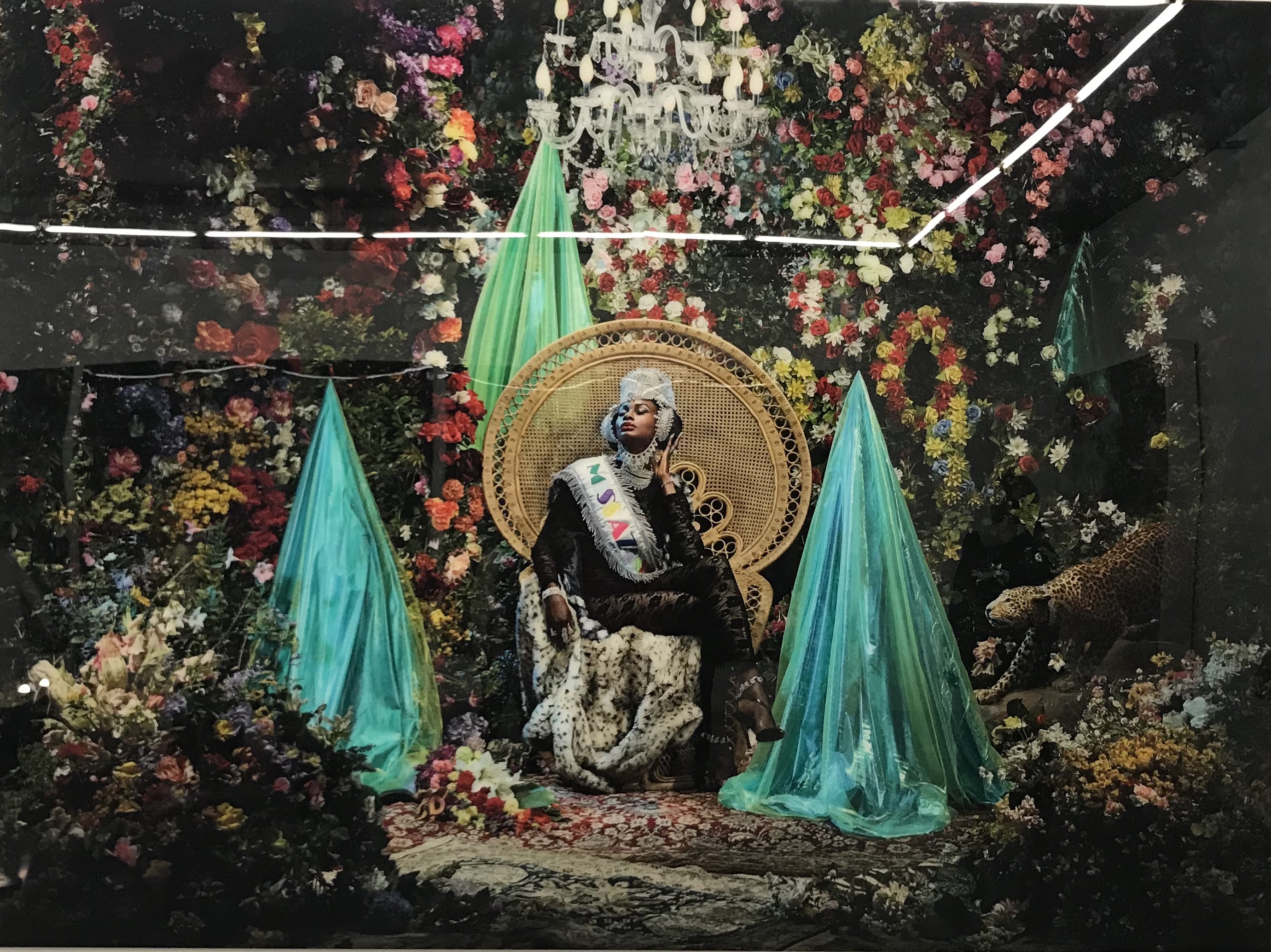
One of the first pieces in the exhibits that caught my eye was the work of Athi-Patra Ruga. The piece is entitled Umesiyakazi in Waiting. Athi-Patra Ruga was born in Umtata, South Africa. Ruga’s imagery draws from a range of cultural references that are not bound by a specific biology, ancestral origin or geographical location.

Umesiyakazi in Waiting (2015)

Roger Ballen

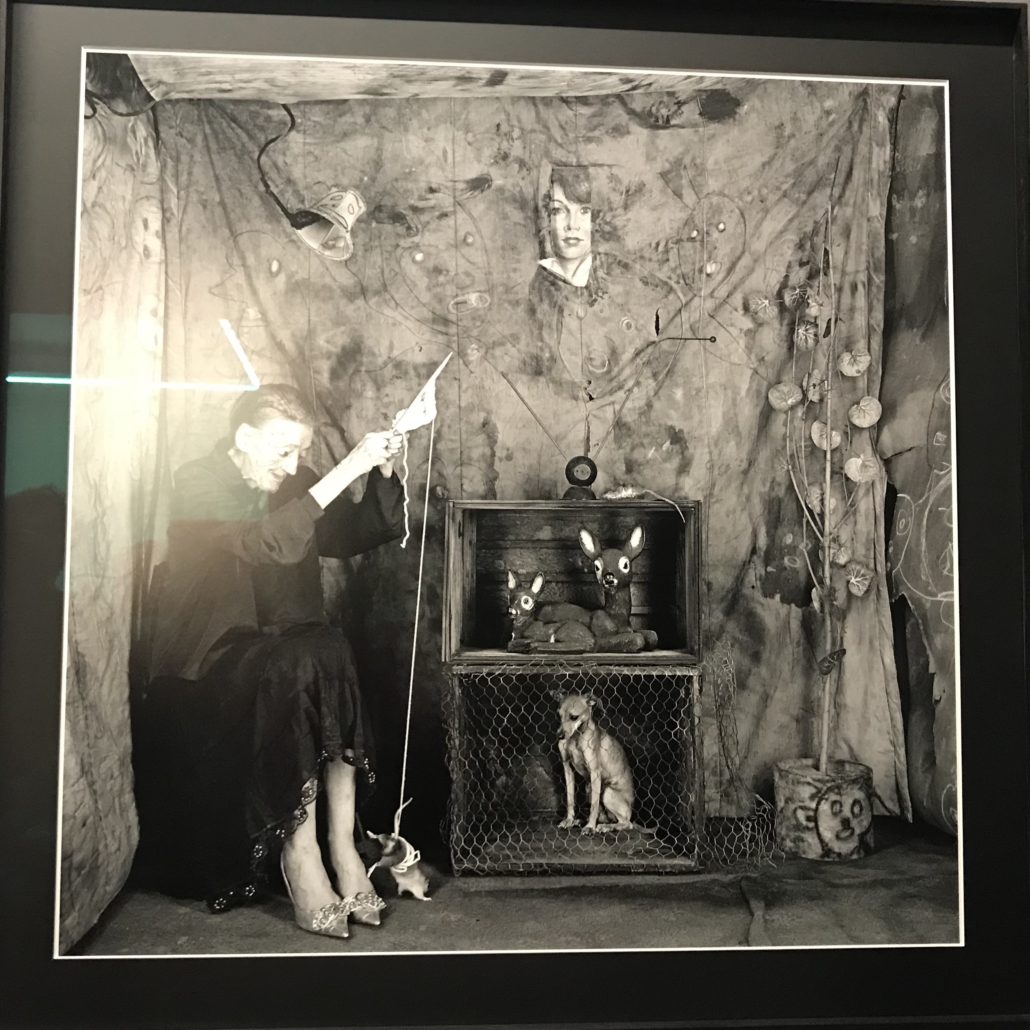
Roger Ballen was born in New York in 1950 and has been living in Johannesburg since the 1970s. His artwork gave me the chills and creeps in the most intriguing  way. During the late 60s and early 70s, he attended the University of California, Berkeley. This is where he was exposed to the anti-psychiatry movement led by R.D. Laing, the theatre of the absurd, and the work of colourfield artists like Mark Rothko and Barnett Newman.

Snagged (2013)

Kudzanai Chiurai

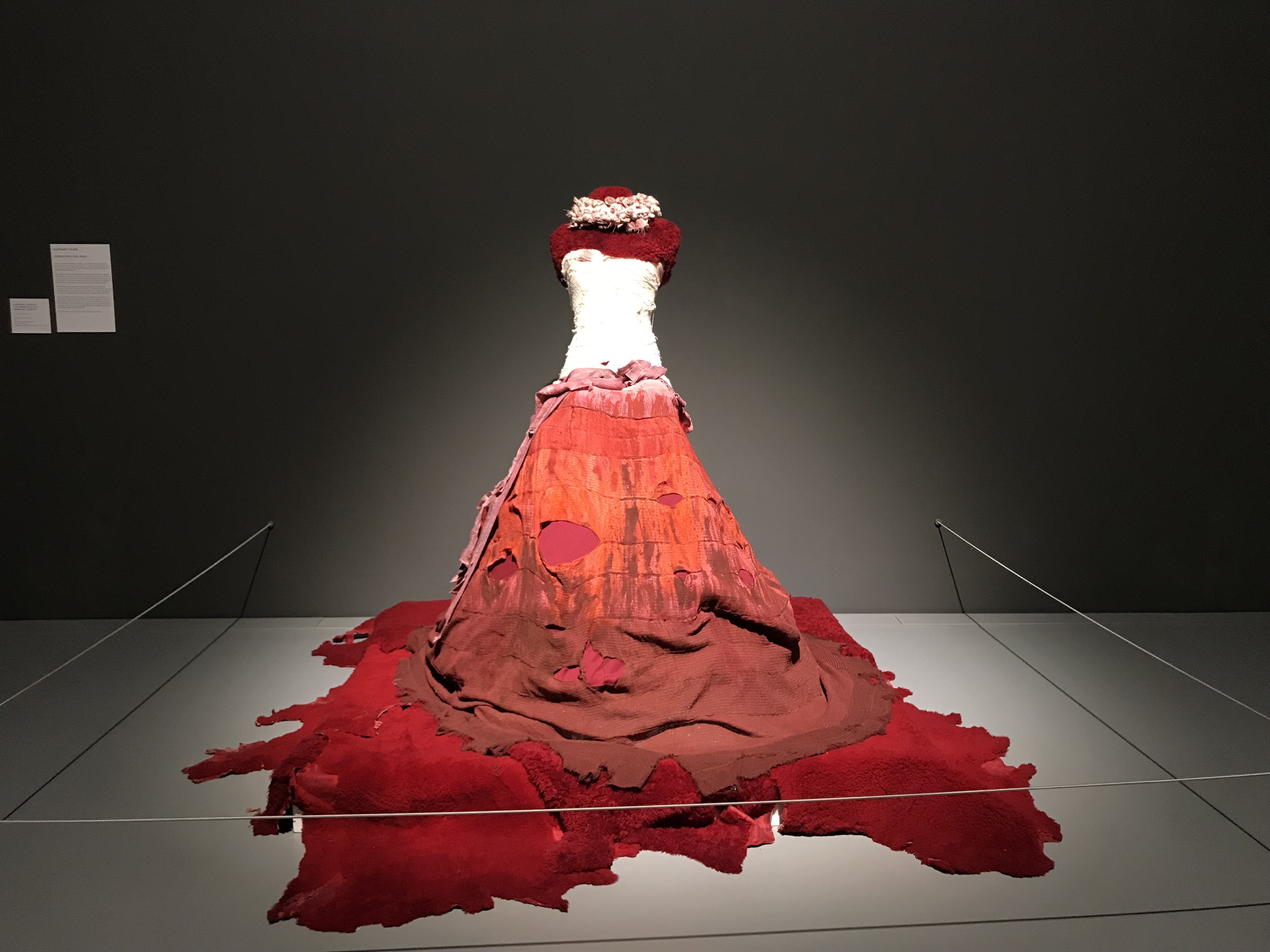
This piece by Kudzanai Chiurai in collaboration with fashion designer Marianne Fassier resonated with me deeply. It elegantly portrays the pain and violence that women as mothers and healers endure. The excerpt on the wall behind the piece states that “She is suspended between dying and presence. She is soaked in violence. In a pool of blood, she sits unafraid, absorbing the pain that touches us all.” It is a sight to behold.

Untitled (Dress from Moyo) (2013)

Mouna Harray

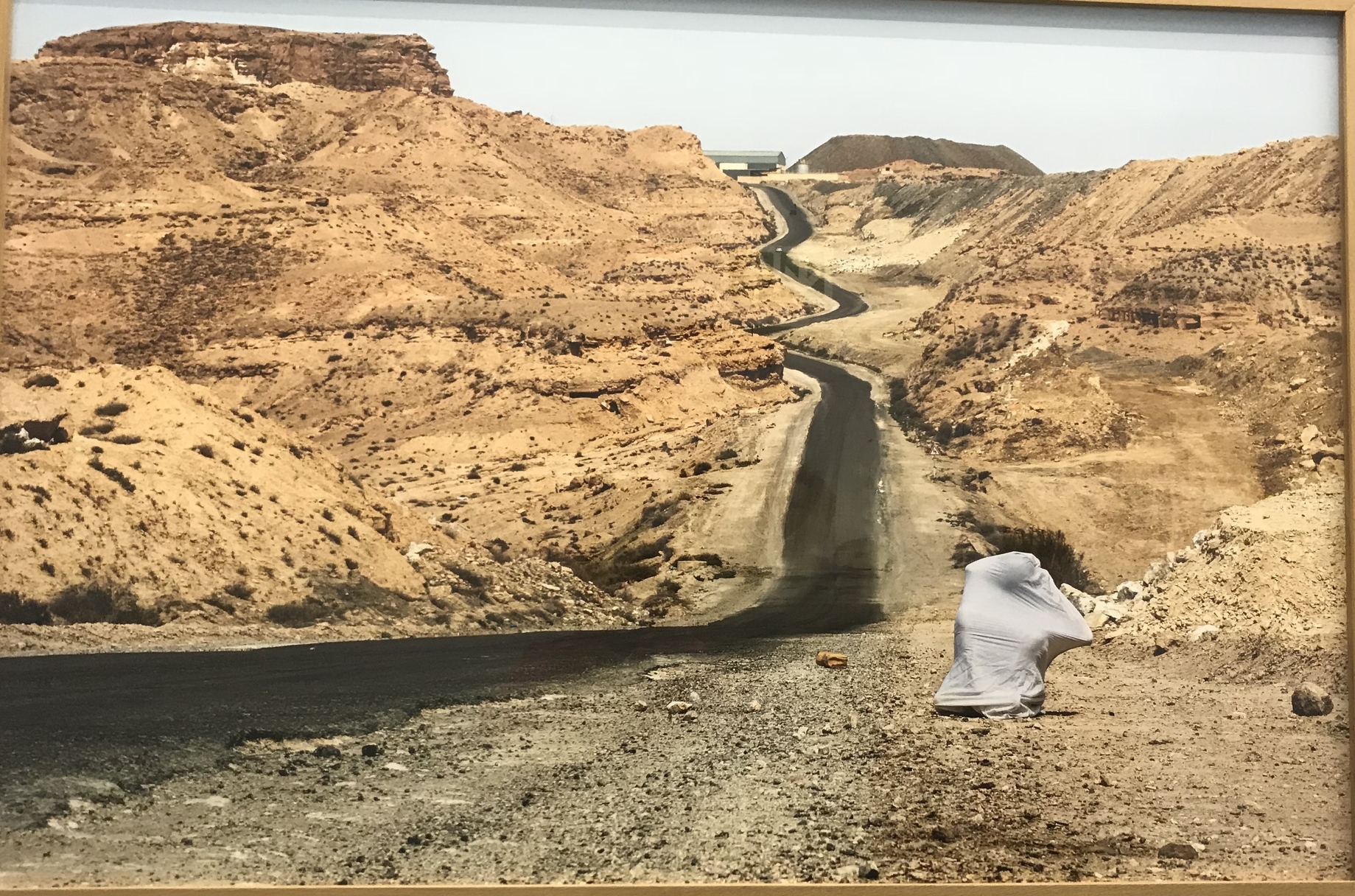
The images in this collection struck me as a breathtaking display of isolation and confinement. Mouna Harray was born in Sfax, Tunisia. The figure wrapped in a white sheet that occupies space in arid and volatile landscapes can be seen throughout the exhibition. The fact that we can see the pressure points of the limbs gives the impression of struggle. The figure represents the isolation, confinement and claustrophobic condition of the residents of southern Tunisia, a region once rich in minerals.

34°21’53.0”N 8°25’41.0”E (2012-2015)

Richard Mudariki

Richard Mudariki’s The Passover reminded me of Leonardo da Vinci’s The Last Supper. I recognised the political and religious leaders at once and was immediately drawn to it. I found the piece to be delectably funny. This is satire at work. The fact that it reminded me of da Vinci’s famous mural was not a coincidence. Richard Mudariki was born in Seke, Zimbabwe, and currently lives and works in Cape Town, South Africa. His artwork provides commentary on the socio-political environment of Zimbabwe and beyond.

The Passover (2011)

Our trip to Zeitz MOCAA was a blast! We contemplated all of the messages we received from the various artists’ work. I learned that Africa and the Diaspora is teeming with talent and skill. I would definitely recommend the Zeitz MOCAA to any art enthusiast, and even for any curious soul.