48 Hours in the Botswana’s Okavango Delta

You’d imagine that when visiting one of the world’s richest and most unique ecosystems, two days wouldn’t really be enough. But it was just enough; enough to convince me that there is no place on earth like the Okavango Delta.

Of course I’d read about it, seen spectacular images and marveled at the abundance of wildlife that  it offered, but nothing could quite prepare me for my first time visiting this area of Botswana and the adjoining concession of the Linyanti.

After a short plane ride on a tiny plane fondly known as a ‘bush taxi’, I was greeted by immigration officials of impala, a few kudu and warthog foraging for food on their hide legs. Happy to be free of the motion-sickness, my guide Steve was there to greet with the brightest of smiles and off we ventured to my luxury glamp site and home for two nights.

I’d hardly touched base before drinks arrived, my luggage was whisked off to my colonial chic tent and the sun decided it was high time to show off its greatest splendour over the savannah sprawled out beyond our camp on raised platforms. Fiery smudges shot out at every angle on the canvas before us as the nocturnal animals began to awaken and call towards the night. With no separation from the wild here, a guide has to accompany all guests to and from their rooms after dark. The thought of powerful predators walking in and around the raised decks was both a terrifying and exhilarating thought.

With a four poster bed, hot shower ( with an available outdoor shower), my own writing desk and balcony with a view that couldn’t be matched, I was almost tempted to never my luxury bush dwelling. Two hours later after a gourmet breakfast beneath the trees and now adrift on a mokoro ( canoe) through the swamps, I was ever so happy I did.

My guide in his own mokoro in front of me and my own ‘poler’ maneuvering his way between the reeds by pushing the pole downward into the shallow swamp, I glided past Angolan-reed frogs, spiders and tiny birds all getting about the day in the morning light.  When I imagined that I’d found my happy place, the unexpected unfolded only metres in front of me. Sure you expect to see elephants when visiting Botswana, but a huge herd passing through the water right in front of your mokoro as you stare open-mouthed engulfed by the loud swishing sound of their powerful legs wading through water? I took me by such surprise that I didn’t know whether to just watch, film it on the GoPro or take a million photos. In the end I opted for a bit of all three and just looked at my poler’s face to see if he too has just witnessed what I did. Of course he had, probably a hundred times or more. Still, he smile- almost richer for having the privilege of watching these majestic creatures move about in this corner of the earth.

By morning and evening daylight my guide and I explored endless, pristine wilderness of delta before the dry, winter season arrived. Unbelievably the delta has more water during its ‘dry, winter’ season that it’s rainy summer.  Reason being that once the massive Angolan plateau rains fall, all the biggest rivers leading down to the delta flood and leave the area adrift in water. Most plant and animal species have the region have adapted to life mostly submerged in water as well as dry.

Instead of just savannah and dry bushveld, tropical palm trees, marshes and even baobabs sprung up in patches as if photoshopped into the African landscape. A bumpy ride on 4×4 only sandy routes took us past zebra, baboons, impala,  a female kudu feeding her young, elephants, ground hornbill fighting over a frog, lechwe close to the water and a lone hyena running along the ‘road’ out of sight.

When it was too hot for the animals to be out, we retired to our tents where midday siestas, lunch and high tea  of salmon rolls, cake and fruit were served. With no other game vehicles in sight other than one or two from my own camp, it was time for G&T’s lakeside where only an hour before I had spotted a hippo revealing only his nostrils, eyelids and moist, tiny ears.

Having lived in South Africa, I had been on many game drives before but here in Botswana it seemed like together with the guests at our camp we were the only people in this corner of the earth.  With nothing much separating us from the wild animals that roamed the delta and no wifi to remind us of the real world, I felt joyfully lost in the bush. With a pair of giant elephant bulls fighting between distant palm trees and boma fire dancing, I realized that 48 hours here was never going to be enough.

Photo Credit: All images by www.thetravelmanuel.com
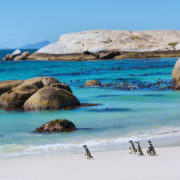
A Mini-Guide to Cape Town’s Coastline

There’s a reason ( or many in fact) why Cape Town has been voted the world’s most beautiful city time and time again. We could attribute this to its cascading mountains hemming the city against the ocean, or the vibrant melting pot of people and cultures who call this peninsula home. Perhaps it’s the vineyard regions yielding top wines, the forests or the way you can never quite escape the coastline on this Souther-Western most tip of Africa. Either way, when in Cape Town, you’ll find yourself drawn to the water somewhere and feel all the better for it. Here’s a mini-guide to Cape Town’s coastline…

False Bay Peninsula

This peninsula jutting out into the ocean is often overlooked by Cape Town visitors but unlike its icy Atlantic Ocean seaboard of Camps Bay, Llandudno and Clifton; these waters are warmer and provide a family-friendly landscape with something for everyone to enjoy. Make like a local and take the train from Muizenberg all the way to Simonstown and back- you’ll be treated to ocean views all the way.

Muizenberg Beach

This is perfect for taking the kids to a sandy play park, grabbing lunch or drinks right opposite the beach or learning how to surf or bodyboarding has a family. St. James beach with its colourful huts is a smaller beach with a tidal pool perfect for swimming and splashing around with little ones. If you’re keen for a walk, walk along the Muizenberg ‘Cat walk’ between Muizenberg and St. James beach and find many little beaches and rock pools along the way. It’s not really pram-friendly so if you’re not jogging or running and with young kids, walk this route on the Main Road sidewalk.

Muizenberg beach

*Be Mindful to not walk this route alone during non-peak times ( early evenings) as there have been muggings here and on St. James beach during quiet times*


St James beach

Kalk Bay

This quirky little town needs a visit and mention all on it’s own. With weekly markets, the Kalk Bay Co-op bring designers and artists wares together for sale, antique shops, nurseries and clothing boutiques; you’ll find once-off wares for your home and your cupboard.  Eat Kalkies speciality of fish and chips at the harbour, stop off for coffee and a fresh croissant at one of their many bakeries and sample Cuban cocktails at Cape to Cuba with the sand at your feet or beers at the local favorite of the Brass Bell.

Fishhoek beach is a long, family-friendly beach that can tend to be windy but with shallow windows, a playground and a restaurant right there, it’s a favorite amongst locals and fills quite a bit on hot, summer days.

Simonstown

This has been the naval base since the British Royal Navy was stationed here and still retains so much of its old-world naval charm in its Jublilee square, harbour and Main Road eateries situated in buildings harking back to the 1800’s. Swim, walk and learn to dive on Long Beach, take a boat cruise from Simonstown’s harbour or continue onwards towards Boulders Beach and other smaller alcoves.

Boulders Beach

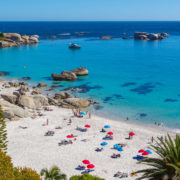
Foreigners and locals alike will always flock to see these cute African penguins. You’ll pay an entrance fee to bask in the sunlight beside these fellows and are warned not to try touch them as they will bite. Between Boulders and Cape Point you will encounter so many white-sand beaches nestled between giant boulders perfect for tanning, relaxing and dipping.


Boulders beach

Cape Point Nature Reserve

Aside from the rougher Diaz beach, the main attraction here is the way this South-Western most tip of Africa juts out in the ocean. There’s a reason we are called the ‘Cape of Storms’ as it is here that many passing ships met their demise. Many trails and hikes begin or end here within the Table Mountain National Park and you can cycle your way through this reserve too. Somewhere between Cape Point and Cape Agulhas is there the icy Benguela current meets the warmer Agulhas current from the sub-tropics but if you’re looking for the actual places where the two oceans meet, this would be further down South Africa’s coastline at Cape Agulhas.

Aerial View of Cape Point.

Noordhoek

If you drive all the way around the peninsula to get to the Atlantic seaboard you’ll first pass Kommetjie, Long beach in Noordhoek and then the world-renowned Chapman’s Peak Drive.

Long beach was named correctly and is great for horse-riding and lengthly strolls on the beach and sunsets. Surfers love the waves in ‘Die Hook’ ( the corner in Afrikaans) and sunsets are particularly magical here.

*Be mindful of not going alone but in groups, during the day and especially in the evenings as the lights goes. Always best to visit with a local guide and in a big group*

Chapman’s Peak Drive

This curvy drive with its breathtaking cliff drops, never-ending ocean and hairy 32 bends will give you an entirely new appreciation for this part of the world. Visitors do side-car trips along here, guided cycle tours and more all to take it all in and stop along the way for photos and picnics at various viewpoints. Pack a picnic and sit at some of the designated areas for lunch ( with toilets) and continue onward to Hout Bay. Sunsets along Chapman’s Peak bring locals from around the city, all to witness the sun drop into the ocean behind the Sentinel Peak.

Hout Bay

This town with its beach, harbour, fish and chips and market cannot be missed. The docked boats, scrumptious fish and chips ( from Mariner’s wharf and Fish on the Rocks) continue to draw crowds on weekends. Visit the Bay Harbour market for local-made crafts, decor, jewellery, clothing and artisan food treats of every kind. Friday and saturday nights will see live bands taking to the stage.

Looking out over the Sentinel and Hout Bay on the far right.

Atlantic Seaboard

Llandudno beach

Once you drive over Suikerbossie Hill from Out Bay to Llandudno, prepare to have your mind blown as the mountain drops away to reveal billionaire mansions hugging the coastline beside a aquamarine bay of Llandudno. Family-friendly and oh so beautiful, this beach is always a favorite for sunset picnics and only swimming-friendly on very hot days. This is where you’ll find the current a lot colder than False Bay.

Camps Bay Beach

Cruise along this winding road past Oudekraal; the Twelve Apostles mountain range on your right and the ocean to your left before reaching upmarket Camps Bay with its Miami-esque palm trees lining the beach and coffee shops, ice-cream parlours and restaurants.

Four Clifton beaches

Before you evening reach the ‘Cliftons’ you’ll encounter small beaches and alcoves where locals duck down to for a surf or picnic. Clifton first, second, third and fourth beaches are squashed side by side and seperated only by giant boulders. Each one draws its own crowds but due to the water’s iciness here, these beaches are popular for sun seekers, tanners and those keen to play a few beach games before retiring to their umbrellas and showing off sleek bodies in stylish swimsuits.

Sea Point Promenade

This has fast become the hub for active Capetonians and visitors where joggers, pram-pushers and cyclists take to the pedastrian-only promenade beside the ocean. Families will find wonderful playgrounds on the grass and a mini-blue train on the Mouille point side, fitness fanatics can use the exercise equipment and anyone can rent bikes to peddle along here. This is also where SUPPers (stand-up paddle boarders) and kayaks launch on calm days.

The Victoria and Alfred Waterfront

The most visited tourist attraction in Cape Town, the waterfront provides a place for you to grab food from every nation and for every palate with food courts, Food Market and an abundance of ocean-view restaurants. Take a boat trip to Robben Island from here, shop until you drop in the high-end aisle of the mall or enjoy a romantic sunset cruise here. Kids will love the Two Oceans Aquarium, playgrounds, Thomas the Tank Engine train ride and Scratch Patch for gems.

Big Bay and Strand

This coastline also draws its fair amount of visitors especially water-sports fanatics who harness the wind for kite and wind surfing as well as surfing and body boarding. This is also of course where you’ll get the best view of Table Mountain combined with the ocean from afar; giving you the feeling that you’ve almost left the city but are still very much there.

Overlooking Table Mountain from the Blouberg side.

One of the best views of Table Mountain from Big Bay and Strand side of Cape Town.

What to pack for a South African Beach Break

If you are heading to South Africa between our summer months of December and March and have nothing but sun, beach and relaxation on your mind, we’ve got you covered. Cities like Cape Town have been known to experience all four seasons in one day so with that in mind, here’s a few tips on what to pack when coming to South Africa for a beach break.

1. Sun Shields

Don’t be fooled by the strength of the African sun. While many visitors come expecting heat and sun, seldom really anticipate its strength and leave as red as lobsters with peels and pain to boot. So come prepared ( or save the check-in weight and buy it here) with minimum factor 50 sunscreen and aftersun cream. And be sure to keep young ones covered in UV-Protective swimsuits especially if they have very pale skin or not used to hot climates.

Pack your favourite hat, sunglasses and shoulder-covering T-shirts, blouses or kaftans. You’ll need to wear all of the above for any beach days, trails, or walks ( even on cloudy or windy days). The clouds and wind often fool you into thinking you won’t get burnt, but the sun’s UV rays will find a way to get you regardless.

2. Beach-friendly Shoes

So depending on what your favourite beach activity is, you need to pack the correct shoes. If you’re going to exploring rock pools with the kids bring aqua shoes with a good rubber grip, your favorite delicate sandals for cocktails and beachside/poolside dining and of course flip-flops for every beach day.  If you’re planning to snorkel or dive, all the necessary equipment will be here for you to hire.

3. Light-Long sleeve clothing for coastal walks and evenings

Depending on how far up the South African coastline you go, you may definitely find yourself on a coastal trail or walk along the wild Coast, a horse-ride on the beach or long walks. If you’ve got a long trip here, it’s safe to cover up with light, cool clothing to prevent you burning. If you’re along the Northern Kwa-Zulu Natal coastline where there are mosquitoes and malaria ( in certain places), the light long-sleeved clothing will help with bite prevention.

4. Windbreakers, rain mac and jacket for cold evenings

Evenings anywhere along South Africa’s coastline could be cool, bringing wind, mist and cold temperatures. So if you’re doing trails, hikes or beach picnics late afternoon to evening, be sure to pack warm clothes for when the weather changes. Keep an eye on the local weather of that particular city and region as these will different vastly from one another.

5. Day backpacks

When visiting another city, these are always suggested as you can put your beach essentials in it. On South Africa’s beaches ( especially in the bigger cities) it is advisable to never leave your belongings of valuables on the beach unattended. If you need to take a phone or camera for photos then make sure one of you is always with it while the others swim.  Leave your giant DSLR cameras at your hotel if possible and bring a small device instead. There is a huge income and wealth divide in South Africa, making poverty a number one reason for theft especially amongst those seen as tourists.

6. Entertainment

Beach days ( sans kids) are the best for reading and flipping through magazines. If you didn’t have space to pack your favorite novel, your accommodation should have a small library available ( and hopefully in your language). If you’re coming with the family, save space and buy cheap beach toys ( buckets and spades) here to keep the little ones occupied outside of the water.

A few tips for your beach break:

  • Beach mats are also useful for long days at the beach to keep all your goodies off the sand so you can use your towel to dry off and not only to sit on.
  • Rent an umbrella from the beach you’re visiting if available or buy a cheap sun shade to take with you on all your beach visits.
  • Depending on the month and the location there may or may not be lifeguards on duty. In the bigger cities, lifeguards will usually only be present on popular beaches during December-January months, while small towns and more remote beaches won’t have any present. Speak to locals and your hotel first about the currents and rip tides, as even though the ocean may seem calm, rip tides are often prevalent and there could be many hidden, sharp rocks. So watch locals first before you dive into the ocean for a swim/surf or another water sport.
  • South Africa ( especially in the warmer waters of False Bay, Wild Coast, Sunshine coast etc) is home to many great white sharks. At main beaches like Muizenberg and Fish Hoek in Cape town and some Durban beaches will have shark spotters who signal alarms and change the shark flags to indicate things like poor visibility, all clear or sharks seen in the  bay within the last two hours. At these beaches a siren will signal to indicate that you should leave the water. Other beaches will have shark nets which allows for safe swimming. Try steer clear of river mouths leading into the ocean especially in remote areas as these will draw sharks to feed.
  • Never leave your bags or valuables unattended on a beach. If possible try leave as many of your valuables at the hotel for safekeeping.

Why add small towns to your Southern Africa travels

With all the vibrant bigger cities of Southern Africa to choose from, such as Cape Town, Johannesburg, Maputo, Harare, Durban, Lusaka and Windhoek, why would you choose to go slightly off the beaten track to take in a small town, the countryside or a more remote region? For so many reasons including: truly getting chance to unwind, unplugging for a moment and savouring farm-countryside living. Here are a few of our top reasons for adding small towns to your Southern Africa itinerary.

1. A chance to slow down

Bigger cities come with vibrance, multiple options of what to do each day and night and a plethora of choice when it comes to activities. They also tend to come with traffic, longer distances to reach each activity as well as more noise. While there are quieter places to escape to in each city, countryside towns with their gravel roads, bakeries and local-trade stores and no traffic offer visitors the chance to walk everywhere, ride a bike through vineyards at your own pace and really do less. Instead of full day tours and activities of the city, you can opt to stay on a farm, wake up at leisure and walk to do one activity. With nothing but cows and sheep to wake you up and tractors to cause traffic on the farms, you’ll be well on your way to relaxing.

Photo credit: thetravelmanuel.com

2. A chance for a digital detox

Depending on the town, there’s a large chance that you’ll still find wifi at some places of accommodation and at a cafe or two. But it really isn’t the worst thing in the world when wifi is missing. Everyday we are bombarded with work emails, calls, whatsapps and social media notifications, so when we finally unplug from all that ‘noise’,we truly get to relax our minds and bodies and restore our souls.

3. Connecting with locals

The beauty of small towns lies in the small space they occupy, the way you’ll see most locals at the corner bakery or cafe on any given day or have the chance to really connect with those living and working in the area. With the busy times you may experience in a big city and the busy lives of locals trying to earn a living, you may miss out on key opportunities to connect with locals. Small towns tend have a slower pace of life, locals have the time and often the willingness to sit down with you, talk about their much-loved place and trade and local to connect with visitors.

Photo Credit: thetravelmanuel.com

Elizabeth and Warren Bradley on their farm in Swellendam. Photo Credit: thetravelmanuel.com
4. Witnessing local trades and buying artisan products

Another aspect to appreciate about smaller towns is that people have to get creative when it comes to earning a living. Craftsmen, artists and tradesmen sell their works and continues trades that some of their families have run for generations. Not only can you get a chance to learn about their crafts and trade, but experience the making and purchase their artisan products which are often once-off and very unique to a region. This way you will get to choose truly unique products as well as those made sustainably involving the community and upliftment of its locals.

Artisan Warren Bradley crafting wooden toys and collectors items in Swellendam Photo Credit: thetravelmanuel.com

A sculpture by Frans Boekooi. Photo Credit: thetravelmanuel.com

5. From farm to table culinary experiences

There are bigger cities like Cape town where farm to table menus are becoming very popular, but there is nothing quite like getting the chance to either pick your own vegetables with a chef, harvest your own mussels from a rock pool or even watch the kitchen staff gather greens for the salad you’re about to eat. With less demand and more focus on organic produce, sustainable farming and slower meals, small town kitchens may give visitors the chance to have more experience with their food before eating it.

6. Countryside Charm

The allure of little ‘dorps’ (small towns in afrikaans), dusty roads, horses grazing behind the fence and friendly locals waving from their ‘stoeps’ (porches in afrikaans) is never really lost on anyone. Places where time seems to have slowed down, where life still revolves around the church square and the weekly farmer’s market is the social activity of the week are pure magic in their very own way.

Sunset in the Karoo

7. Immersing yourself in the natural landscape

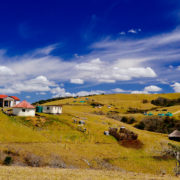
Herein lies the beauty of travel; visiting a little nook or corner of the globe so completely different to our own homes. Visit rural towns where locals still live off the land and dwell in turquoise huts on the hill or see forgotten towns only inhabited by the memories of its past dwellers and mountains of sand. Stand on a crag overlooking semi-barren landscape, watch wild horses lay claim to the land or try your hand at catching fish with local children in a quiet river.

Rural splendour along the Wild Coast. Photo Credit: thetravelmanuel.com

Forgotten town in Namibia. Photo Credit: Jean Wimmerlin.

Which small town would you like to add to your bucket list?

Beaches not to miss in Southern Africa

The Southern African countries of Namibia, South Africa and Mozambique present beauty and diversity in their varying landscapes of mountains, islands, rivers, deserts and of course beaches. Come rain or shine, each coastline will present families, romance-seekers and adventurers with many opportunities to enjoy the water. While there are too many to mention, we’ve narrowed it to down a few beaches for every kind of traveller and ones you can’t miss when visiting these African countries:

1. Coffee Bay, South Africa’s Wild Coast

Wild, rural and beautiful without abandon this is a beach and stretch of coastline best enjoyed by walking along it. Coastal trails will take you past rural huts, river mouths and grazing cattle. Trail with a guide to the natural wonder of Hole in the wall which juts out to sea, try a surf lesson at Coffee Bay Beach or perch atop one of the green cliffs and take in the endless views of this blissful rural life that still exists in very few parts of South Africa.

2. Skeleton Coast, Namibia

Don’t arrive expecting to relax, tan or frolic in this wild, chilly Atlantic Ocean, but come with anticipation of a rugged stretch of beach found between the Kunene and Swakop rivers. A haven for seals, marine birdlife and ship wreakages ( due to the tumultuous ocean), where the barren warm desert meets the cold ocean and forms a haunting mist. Come with your camera and desire to witness one of the most unique stretches of African coastline.

3. Bazaruto, Mozambique

It’s not called one of the world’s most picturesque islands for nothing. A tropical paradise bringing day trip visitors from the mainland, divers seeking great visibility and dugong sightings as well as snorkelers wanting to enjoy the turquoise ocean, turtles and rich marine life. Climb the dunes for island views and a feeling of being caught somewhere in the desert and savanah, enjoy a fish braai with local guides on the beach or hop on a dhow cruise to bid farewell to the sun.

4. Cape Columbine Reserve Beaches, South Africa’s West Coast

Most visitors get stuck in Paternoster and never look past the instagram-worthy fishing boats of Paternoster, but once in Paternoster, keep left until you enter the reserve where giant boulders enclose tiny bays with clear, cool water. Jump from boulder to boulder or join a kayaking tour in the bay or just savour the serenity of the reserve.

Photo Credit: thetravelmanuel.com

5. Swakopmund, Namibia

Find little Germany in this town along with a beach bustling with ways for visitors to enjoy it such as  quad biking, sand boarding, kayaking and surfing and of course just lazing in the sand.

6. Tofo and Tofino Beaches, Mozambique

Four hours drive from the popular town of Vilankulo, lies 8km worth of sandy beach for swimming, wading, sunning and family fun. For those wishing to go deeper, diving, deep sea fishing excursions are on the cards. Surfers and those wanting to try their hand at fly fishing will do well to visit nearby Tofino beach.

7. North Beach, Durban South Africa

A hive of activity for those to keen to jump in the water and those wishing to enjoy it from a distance. With a skate park, bike rental, nearby coffee shops and restaurants, families can take their pick of how they’d like to spend an afternoon here. Popular amongst locals for surfing, catch a glimpse of these guys ( and girls) jumping off the pier to catch waves.

8. Smitswinkel Bay, Cape Town South Africa

A short walk down a pathway at the base of a cliff beside Cape Point Nature Reserve, you’ll find a beach much-loved by local residents and one providing a wonderful place to picnic and laze in the sand more than swim. Pack a picnic and all the food you need as there are no shops nearby and be mindful to take all refuse and goodies you brought with you.

9. Terence Bay, Namibia

Another beach known for its wildlife appeal and beach angling opportunities rather than swimming and ideal beach temperatures. The icy Benguela current will ensure that you may not want to dip into its waters, but join  a desert excursion and look out for desert-adapted wildlife roaming the coastline.

10. Cape Vidal Beach, Northern KwaZulu-Natal, South Africa

Found beside Lake St. Lucia in the fairly secluded region of Northern Kwa-Zulu Natal, this beach can get windy but provides a long stretch of beach perfect for walks, family picnics, snorkeling right off the beach hugging the reef and solitude on most days.

11. Muizenberg Beach, Cape Town

The more laid-back cousin to Cape Town’s Atlantic Seaboard sexy beaches, Muizenberg is a beach packed with energy, life, restaurants, cafes and places to rent and get lessons in surfing, SUPPing ( stand-up paddle boarding). Dog walkers, toddlers, couples and families love this beach for its play park, coastal walk, relatively warm water ( warmer than the Atlantic seaboard) and local vibe.

12. Point and Main Beach, Jeffreys Bay- South Africa

Top International surfers hurry here from around the globe to catch one of the world’s best right-hand breaks at the beaches of Supertubes and Point. For non-surfers, these aloe-lined beaches with their wooden walkways are also enjoyable for the rock pools, long stretches of sand to walk on or a place to bring your coffee and take in the surf artistry below. Main Beach is wonderful for families who want to laze on the beach, bodyboard or even learn to surf. Coffee shops and restaurants offering incredible seafood can be found nearby as well as  water park the kids will love.

13. Chintsa Beach, South Africa’s Wild Coast

Another wild beach with hardly anyone on it, go on a coastal horse riding trail and ride on the sand, past dunes and over green hills. Find serenity and a place to relax away from the city crowds. Just in from the beach is a river where you can rent a kayak and float down the river watching the abundant bird life.

14. Kraalbaai, South Africa’s West Coast National Park

Once you set eyes on Kraalbaai’s aquamarine ocean, you’ll be forgiven for thinking you’re somewhere in the Maldives. With houseboats moored in the bay, learner kitesurfer and SUPPers ( stand-up paddle boarders) loving this calm, sheltered bay, this is a beach perfect for a hot day where the refreshing water is welcomed and all you need do is lay back beneath your umbrella.

Photo Credit: thetravelmanuel.com

15. Llandudno Beach, Cape Town

There isn’t a better place for romantic sunset picnics, visits with the family and a chance to bring the dog for a walk. Nestled between plump boulders and something resembling an Italian coastline, this is a beach favorite amongst locals and foreigners alike. Don’t miss out on the viewpoints from above as well as the coastal drive all the way from Llanduno to Camps bay and Clifton.

Photo Credit: thetravelmanuel.com

Top 10 Romantic Seaside Escapes for Couples

South Africa, Namibia and Mozambique are coastal countries abounding in opportunities to enjoy the beach. From the wild, raw Atlantic ocean of South Africa and Namibia’s West coast to the warmer, Indian ocean on the Mozambiquan side and South Africa’s East Coast; there are small towns, bays, seaside villages and beachside breaks to enjoy as a couple. It’s no wonder couples visit Southern Africa from all across the globe to get hitched, go on honeymoon or just for a romantic seaside escape and soul revival.

Here are a few top romantic seaside escapes for couples.

1. Paternoster, South Africa

Once a quiet seaside village, Paternoster has transformed into one of the most coveted places to visit along this coastline.  Upon arrival you’ll be greeted with white-washed houses, many modelled from original fishermen’s homes, with red, blue and white fishing boats scattered across the beach or decorating the gardens of locals.

You’ll find gourmet cuisine at the new established restaurants for romantic, candlelit dinners, guesthouses and B&B’s in abundance and self-catering cottages only a stone’s throw from the ocean. Despite being a favourite weekend destination for South Africans, you can still find moments when you’re walking all alone on the beach and watching sunset with not a soul in sight. Book a kayaking trip for two, enjoy fish and chips in true West Coast style and of course, indulge in lots of ‘you two’ time by the sea.

2. Vilankulos, Mozambique

This is a town in Mozambique that has just enough to keep you active, offers enough on the cards for adventurous couples but has ample space to just unwind. Indulge in delicious seafood dinners as many nights as you wish; prawns and fish are served everywhere you go so take advantage and try curried, braaied ( BBQ’ed) and grilled options.

Take a kite-surfing lesson at Kite Zone, take a day trip to islands such as Benguerra, Margaruque or Bazaruto, join a diving or snorkeling excursion or try your hand at deep sea fishing. Bigger hotels have spas where you can enjoy couple’s treatments. Tuk tuks run throughout the town so jump on one to get between your resort and the small town centre where you’ll find a grocery store, a few souvenir shops, bars and coffee shops.  Be sure to go on a sunset dhow cruise to the red dunes or just along the coastline.

3. Skeleton Coast, Namibia

Think undulating dunes, wild desert animals, tented camps and a landscape unlike anywhere else on earth.  Join a hike, or a desert tour along this coastline to catch a glimpse of the variety of desert-adapted animals such as elephants, cheetahs and lions, crocodiles and turtles of the Kunene River.

There’s nothing more romantic that catching the last glimpse of light amidst sand dunes and waking up to see how the winds have once again altered the landscape. A harsh seaside and landscape, you’ll find a barren beauty here that can’t be matched.

4. Wild Coast, South Africa

One of the few truly wild and rural places left in South Africa, couples will lose themselves in the allure of warm ocean, hills and rural huts of this area. Stay in anything from a traditional hut to a hotel or bed & breakfast. Kayak along one of its many rivers, walk along the coastal trails and visit the natural wonder of Hole in the Wall, go horse-riding along a deserted beach or wake up to drum with children from nearby local villages.

Wander along hills where people still farm and live off the land, where young boys herd sheep and goats and where you may hop over a stream or two to get your house.

5. Benguerra Island, Mozambique

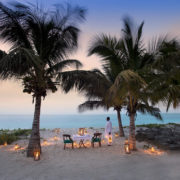
Surrounded by turquoise ocean, dotted with freshwater lakes, savannah, forest and dunes; you and your partner will be happy to stay deserted on this island for ages. With ample luxury accommodation, you can wine, dine and be treated to romantic dinners on the beach by night.  Some areas won’t have wifi which really only adds to the ‘lost’ appeal of many of Mozambique’s islands.

Aside from the dunes and relaxing on the beach, tips your toes or more in that warm ocean and find your own pleasure beneath or above the ocean. Go SUPPing ( stand-up paddle boarding) as a couple or just hop aboard a dhow boat to experience the magic from the sea.

6. Wilderness, South Africa

Tucked in between the favorite Garden Route towns of George and Knysna, Wilderness is but a tiny stretch with a long beach to enjoy. The town will provide all you’ll need in terms of restaurants and when you’re not waking up to ocean views, you can explore the Knysna forest on foot or even try some of the adventure activities abounding in this region. Take a day trip to the Tsitsikamma Region for canoeing, trails or tree-top canopy tours. The adrenalin junkies can bungee jump off the Bloukrans bridge.

7. Rocktail Bay, South Africa

Known for it’s rich marine life and coastal dune forests, this is an Northern Kwa-Zulu Natal area is where you can go without seeing many humans for awhile. You may get stuck in a cattle traffic jam or greet children from a local village on their way to school; but more than likely is that you’ll go on game drives to some of South Africa’s oldest lakes to see hippos, crocodiles and other freshwater-adapted species.

Snorkel in marine-protected beaches with hardly anyone in sight and tuck yourselves away in white pear forests clinging to the dunes.

Which seaside escape would you choose?

XO Director Sebastien talks about Maputo, Mozambique

Thinking of visiting Mozambique and not sure if you should add the city of Maputo to your stay? Our founder and director of XO Africa, Sebastien, shares what he loves about this vibrant city with its blend of influences and welcome pairing of old and new. Having lived in Africa for almost 20 years now, he’s a great person to ask.

Where did you stay in Maputo?
Polana Serena Hotel

Who is the city most suited to? Families, couples or solo travellers?
Couples, solo travellers and those who are born travellers and enjoy being out of their comfort zones.

What do you love most about Maputo, Mozambique and what makes it different from other Southern African cities?

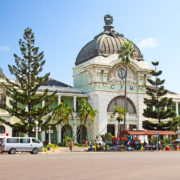
I love the blend of influences where the Latino-Portuguese footprint, African roots and the Indian Ocean, create a sensation I’ve never experienced before in Africa. This cocktail makes you feel like you could be in Rio, Cuba or Jamaica as well as on the real African Continent. From the coffee shop selling traditional Portuguese bread and the night life, starting late and finishing early morning. Appropriately and charmingly dressed locals, the music and underground art scene revealing its quality and diversity and the seafood restaurants proudly exhibiting the FC Porto jersey and some of most distinctive culinary Portuguese specialties.

The eclectic architecture, where African shacks are neighboring colorful art deco constructions. Where massive and austere apartments blocks, built under the command of the communist regime, are facing masterpieces of the early 20th century building work by architect and designers like Pancho Guedes amongst many others. Where lush parks and centenary trees grow freely under the warm & humid tropical climate, thankfully regulated the powerful supremacy of the Indian Ocean.

How many times have you visited Maputo?
I’ve been seven 7 times if I’m not mistaken. My very close friends lived here for 10 years, and were my underground guides. I’ve also had the great opportunity to discover the best of the city during our business trips.

Any restaurants/bars visitors can’t miss while there?

In Maputo, don’t go in between. Enjoy cocktails and appetizers around the pool or the scenic terrace of the Polana Hotel, but then go local-like the seafood restaurants Marisquera Sagres or Miramar, right down the beach, offering simple but tasty local cuisine.

What are the highlights of your accommodation/stay in Maputo and what would make you return?

Maputo is also a fruitful business hub with malls and hotels popping out from the grounds at a fast pace offering a new international and modern standard to the city. But personally I like the old ‘palace style’ the elegance and the stunning views of the Bay of the Polana Serena Hotel.

Sebastien’s daughter around the pool area at the hotel.

In the city, what are some suggestions of activities for families to try?
Markets, parks, Casa de Ferro from Gustave Eiffel. Don’t do much… just relax.

Any travel tips for those visiting Maputo?
The traffic and original driving behaviors of the residents can be destabilizing… take a taxi, to avoid unnecessary stress.

How to best enjoy the Rivers of Southern Africa

Rich in wildlife, deserts, mountains, waterfalls, fauna and flora kingdoms and unique ecosystems, Southern Africa’s rivers and their surrounding regions offer a wealth of things to do, natural wonders to discover and experiences to try- both on and around the rivers itself.  Here’s a few Southern Africa rivers well worth visiting…

Kafue River- Zambia

Smaller than the well-known Zambezi river, the Kafue River in Zambia is dotted with giant rock formations along it’s banks and unique riparian woodland flanking it.  Experience both land and river based safaris at the riverside and venture through the Kafue National Park to witness wide plains and woodlands home to cheetah, antelope, sable, road, reedbuck and eland. Enjoy boat cruises, fishing, bush walks and game drives within the park.

Okavango River- Namibia and Botswana

This vast river is the fourth largest in southern Africa and runs from Angola (where it’s known as the Kubango River), crosses Namibia’s narrow Caprivi strip to to Botswana’s Kalahari desert in the north before ending in the Okavango Delta swamp. Named after the Okavango ( Kavango) people of Northern Namibia, this river is unnavigable except for smaller boats and craft. With one of the world’s richest and most unique eco-systems you can choose multiple ways to explore this region. Take guided game viewing boats down the river stopping along the way to camp on remote islands, go birding, on photographic safaris and game walks. Each season will bring very different landscapes and wildlife to the river as the floods and rains vary through the dry and wet seasons.  Whether by boat or land, Okavango river experiences will ensure a life-changing trip.

Breede River- South Africa

Only an hour or two away from Cape Town lies the Breede River and its valley rich in opportunities to enjoy the surrounding mountains, local wineries, small country towns as well as fishing, river rafting, canoeing or even house boating on the river itself. Visit the towns of De Doorns, Worchester, Rawsonville and Touwsriver and trail along their wine route, experience farm stays and wide open spaces.

Zambezi River- Zimbabwe, Zambia

While everyone is rushing to this region to just see the Victoria Falls in all its glory, the Zambezi River is something to behold. Find yourself on a cruise at sunset on the Zambezi river and mark that down as a once in a lifetime experience.  There are bigger boats carrying over a 100 people and serves snacks and drinks which also offer exclusive spaces on deck for smaller groups. The Zimbabwean side usually had smaller boats ( between 30-80 people) and gives you the chance to dine on board.  Experience rougher terrain, shallow waters and less accessible places on the river safari boats for breakfast, lunch or sunset and see elephant, hippos and zambezi river birdlife. Off the river on the Zambia side, take a trip back into time aboard the Royal Livingstone Express for dinner through the Zambezi River valley.

Fish River- Namibia

Holding the Fish River in its valleys is the Fish River Canyon, second biggest only to the USA’s Grand Canyon. This region is visited for its hiking trails, Godwana Canyon Park, Quivertree forests, wild horses, rugged scenery and wildlife. Find absolutely solitude , plateaus, granite hills and near barren plains into the private nature reserve of Godwana Canyon Park. Try and spot the Feral horses of Garub who have adapted to life in the dry Namib and stop at the Quivertree forest near Keetmanshoop, a dolerite rock field and a land where Mesosaurus fossils were discovered. Day visitors are not permitted to walk down into the canyon, only hikers with permits may descend to the river bed. But you can still walk along the rim of the Fish River canyon and watch the sun set over this tranquil part of land, try to spot baboons, mountain zebra and grown squirrels or wade in the warm pools of the Ai-Ais Richterfield Transfrontier park.

Orange River- South Africa, Namibia

South Africa’s longest river, the Orange River, is well known of its adventure experiences such as river rafting, paddling and SUPPing( stand-up paddle boarding) but those not keen to be as active will still find its waters and surroundings enchanting. Sit beneath the African sky next to  riverside camp fires, mild weather almost all year road and warm water. This river rises in the Drakensberg range and flows all the way to the cold Atlantic Ocean at Oranjemund.

Kunene River, Namibia

An area holding much appeal for remote and wild spot seekers and those keen to tackle the rugged land in a 4×4.  Visit off the grid places such as Hartmann valleys, Marienfluss, Witbooisdrift and Khowarib Schlucht. Swim in a rock pool of the Epupa Falls, one of Africa’s largest waterfalls, track the desert-adapted elephants with a guide, visit a settlement of the semi-nomadic Himba people native to this region and discover the geological wonder of this region.  The area of Kunene is still fairly underdeveloped due to its land’s inability to yield agricultural crops and arid, mountainous landscape. It borders Angola, Cunene Province and the Atlantic ocean.

Which river experience have you enjoyed in Southern Africa?

What to pack for a Southern Africa Bush Safari

Whether you’re heading to the northern bush of South Africa, Damaraland of Namibia or Chobe, Botswana, the landscapes, climate and temperates will vary greatly also depending on the season you visit in.

One thing most of these safari territory places will have in common is that peak season will generally fall within their dry, winter season between May and October. Without the rains, animal sightings are usually quite abundant as the animals gather in certain spots around waterholes to drink and find food in the areas which are more lush.

More often than not temperatures will drop rather drastically and produce cold or icy nights with warm or sometimes hot days so it’s always a good idea to come prepared for two very different climates everyday.

Here’s an idea of what to pack when coming on a Southern Africa safari:

Clothing

Sun

The African sun is harsh and even on hot cloudy days it is advised that you wear sunblock. If you have sensitive skin, do not wear less than factor 50. Ensure you have a wide-brim hat, sunglasses, light, cotton clothing to cover up with on long game drives or bush walks.

Cold/Rain

The temperature is known to drop rather drastically in most bush veld regions as soon as the sun sets or even on cold winter days. So come prepared with a wind breaker, a rain mac, a fleece-lined jacket/sweater and thick warm trousers, thick socks and trail shoes to keep out the cold on early morning game drives and sitting around the fire at night. Many safari lodges will keep thick blankets in the game vehicle for extra warmth, but I have found that beanies, scarves and even gloves will go a long way to keep the very cold cosy on an open-air game vehicle.

Mosquitoes

Even if it’s not a malaria-area, there may still be mosquitoes. Decrease your chances of getting bitten by mosquitoes and any bugs by covering your arms and legs ( especially at dawn and dusk) with light, cotton clothing that allows you to keep cool and cover up.

Colour

For game drives, you want to avoid stark white, bright colours and stick to a neutral palette when out in the bush. You want to remain as inconspicuous as possible to the animals. This is their natural habitat which are you visiting, to blend in as much as possible try stick to more neutral, earthy colours.

Shoes

Make sure you bring walking shoes and sturdy pair of trail shoes for any bush walks, hikes and also to keep warm on game drives. For the hot days , ensure you have sandals to keep cool in and to wear around your lodge.

Medication

Be mindful that many game reserves through Southern Africa especially in Namibia, Bostwana, Zimbabwe and Zambia will be quite far off the grid, far away from towns, shops, pharmacies and doctors. So make sure you bring enough of your own prescription medication to last the entire trip including the main necessities of headache tablets, medication for diarrhea, topical antibiotic ( for cuts, bites, sores) and colds/flu. If you forgot make sure you stock up in the big towns and cities before heading to the bush.

Malaria and other vaccines.

Consult your travel clinic doctor as well as the lodge you’ll be staying at for the malaria requirements. These may also vary depending on the time of year you visit a country. For the most part, Botswana, Zambia and Zimbabwe will always require you to take malaria prophylaxis before visiting. Medical professionals often discourage children younger than five to visit malaria areas so be sure to seek advice from your child’s paediatrician on the best course of medication if you do decide to visit one of these countries with your child.

Bite presentation is always a good way to go along with suggested Malaria Prophylaxis as the medication doesn’t guarantee 100% that you can’t contract it. So along with long-sleeved light clothing, wear mosquito repellent with deet in it. Add extra protection by spraying your mosquito nets with repellent and use spray specifically for clothing.

Your local travel clinic in your country will also best advise you on the necessary vaccines to take for each country, depending on the time of year, your location within a country and/or proximity to water rich areas.

Bush Accessories

You don’t want to find yourself on a game drive without a decent camera, binoculars and even a camera/device that you can video short clips with. Not everyone is a professional photographer, but find a camera that is both easy for you to use and allows sufficient zooming for the animals in the distance.

Most smartphones have great quality cameras but in the bush, their zoom capability will not cut it so make sure you bring a basic camera that can assist you with you and allow you to capture the incredible sightings and memories.